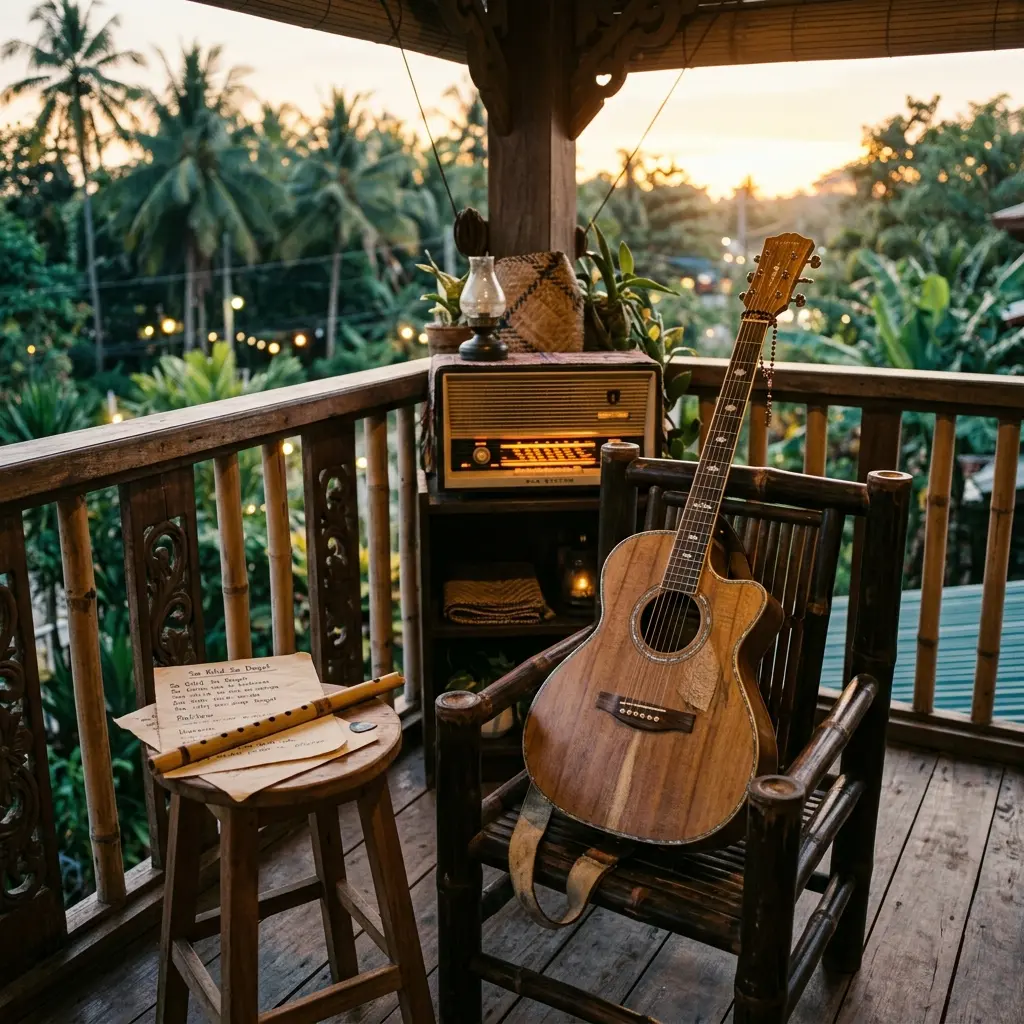
If you tune into any popular radio station in the Philippines today, you will likely notice a beautiful, melodic shift in the airwaves. Alongside the familiar English pop songs and Tagalog power ballads, there is a vibrant, distinct sound that has taken the entire country by storm—the unmistakable rhythms and soulful lyrics of Visayan Pop, or as it is affectionately known to millions of music lovers, Vispop.
For decades, the term “Original Pilipino Music” (OPM) was almost exclusively associated with songs written in Tagalog and produced in the recording studios of Metro Manila. Regional music was often sidelined, categorized as either traditional folklore or novelty tracks meant for comic relief. But a quiet revolution started brewing in the Visayan islands a little over a decade ago. Powered by a new generation of incredibly talented songwriters, independent artists, and the unwavering support of regional radio stations, Vispop completely shattered the Manila-centric glass ceiling. Today, it is not just a regional subgenre; it is one of the most dynamic, commercially successful, and culturally significant forces in modern Philippine music.
Let us dive deep into the fascinating history of the Vispop movement, explore the unique linguistic magic that makes it so resonant, examine the critical role of local radio in its meteoric rise, and see how platforms like Pure Pinoy Radio are keeping this regional flame burning for listeners all around the globe.
Reclaiming the Cebuano Songbook: The Roots of the Movement
To fully appreciate the impact of Vispop, we must first understand the historical context of Visayan music. The Visayas region, particularly Cebu, has always possessed a rich, highly respected musical pedigree. Cebu is the birthplace of legendary composers and has produced some of the country’s finest vocalists. Historically, however, Cebuano songwriting was largely confined to balitaw (traditional courtship songs), patriotic hymns, choral arrangements, and theatrical music.
By the late 20th century and early 2000s, the songs that dominated local provincial radio in Cebuano were often novelty tracks. While legendary artists like Yoyoy Villame and Max Surban were beloved for their witty, comedic storytelling, their songs did not reflect the contemporary, everyday experiences and artistic aspirations of younger Visayans. If a young Cebuano musician wanted to write a serious love song, a modern rock anthem, or an indie pop track, they felt compelled to write in Tagalog or English to be taken seriously by the national record labels. Writing in Bisaya was unfortunately associated with being baduy (uncool) or old-fashioned.
This frustrating narrative changed forever in 2013. A group of passionate, visionary Cebuano creatives and music advocates—spearheaded by the cultural organization Artist Ko and led by multi-award-winning composer and producer Jude Gitamondoc—decided it was time to reclaim their native tongue. They launched the first-ever Vispop Songwriting Campaign.
The mission of Vispop was deceptively simple but incredibly ambitious: to encourage local songwriters to write professional, high-quality, modern pop music in the Cebuano language. They wanted to prove that Bisaya was not just a language for telling jokes or singing folk tunes; it was a beautiful, expressive, and highly modern vehicle for contemporary art.
The campaign did not just ask for entries; it provided workshops, mentorship, and professional studio production for the finalists. The result was a sudden, glorious explosion of creative energy. Young songwriters began blending Cebuano lyrics with modern musical styles—ranging from bedroom pop, folk-acoustic, and indie rock to synth-pop, R&B, and heavy soul. The Vispop movement was officially born, and the national music landscape would never be the same again.
The Linguistic Magic of Bisaya: Why It Touches the Heart
Why did these Cebuano-language songs resonate so quickly and so deeply, even with listeners who did not speak the language? The answer lies in the unique, inherent texture of the Bisaya language itself.
Every language carries its own specific emotional frequency. For many Visayans, Tagalog can sometimes feel a bit formal or academic, while English can feel slightly detached. Bisaya, however, is the language of the home, the street, and the heart. It is incredibly raw, highly expressive, and possesses a natural, sing-song cadence that lends itself beautifully to musical melodies.
Furthermore, Bisaya contains specific cultural and emotional words that do not have direct, single-word translations in Tagalog or English. Take, for example, the word gugma (love). While pag-ibig in Tagalog is beautiful and poetic, gugma has a heavy, earthy, and profound weight to it. When an artist sings about gugma, it feels deeply personal and ancient.
Then there is the concept of hugot (to draw from within). While hugot became a nationwide slang trend in the 2010s, Vispop elevated it to an art form. The lyricism of Vispop is famous for its brutal, uncompromising honesty mixed with a touch of self-deprecating humor. It describes the precise pain of modern relationships with cinematic clarity.
Consider words like:
- Hasula: A word that means troublesome, painful, or annoying. In Vispop, it perfectly captures the agonizing, complicated state of loving someone who doesn’t love you back, or the exhaustingly messy process of a breakup.
- Langga: A sweet contraction of palangga, which means beloved or darling. Hearing this term of endearment in a song instantly evokes warmth, comfort, and domestic tenderness.
- Ka-igang: The stifling, humid heat typical of tropical Philippine afternoons, often used metaphorically to describe the intense, suffocating tension between two people.
By writing in their native language, Vispop artists tapped into a goldmine of unexpressed emotions. They spoke directly to the everyday realities of the masa and the youth, making the music feel incredibly authentic. The language barrier did not alienate listeners; instead, the sheer emotional honesty of the vocal performances and the infectious catchiness of the melodies drew people in, sparking a curiosity to learn what the words actually meant.
The Critical Launchpad: How Regional Radio Powered the Revolution
No matter how brilliant a song is, it cannot trigger a cultural movement if nobody hears it. In the early years of Vispop, national mainstream media based in Manila was highly skeptical. Major national television networks and prominent radio stations were hesitant to play Cebuano tracks, operating under the long-held assumption that Tagalog-speaking audiences in Luzon would simply tune out if they couldn’t understand the lyrics.
Faced with this wall of indifference from the capital, the Vispop movement found its most critical, passionate, and game-changing allies in regional radio stations.
Local FM stations in Cebu, Davao, Cagayan de Oro, and across the Visayas and Mindanao regions recognized the magic of Vispop immediately. They understood that their listeners were hungry for representation, and they proudly stepped up to serve as the launchpad for local talent.
Stations like MOR 97.1 Cebu (My Only Radio), Barangay RT 99.5, Love Radio Cebu 90.7, and Easy Rock Cebu 102.7 did not just play Vispop tracks during special late-night regional segments. They integrated these local songs directly into their main, high-traffic daytime playlists, placing them on high rotation right next to international hits by Taylor Swift or Bruno Mars and national Tagalog hits.
The impact was immediate and massive. Local listeners, driving in their jeepneys, studying in university dorms, or working in local shops, were suddenly hearing high-quality, professional pop music sung in their own language on their favorite radio stations. It triggered an immense wave of regional pride.
DJs on these regional stations became crucial tastemakers and champions of the movement. They interviewed local Vispop artists, hosted live acoustic performances in their booths, and actively encouraged listeners to call in and request these local tracks. This grassroots radio support created a powerful feedback loop: as radio play increased, listener demand surged, leading to sold-out local concerts, viral local streaming numbers, and a thriving, self-sustaining local music ecosystem. Regional radio proved that local music could be a commercial powerhouse if given the chance.
The Songs that Shattered the Capital’s Monopoly
It was only a matter of time before the massive wave of Vispop popularity in the south crashed onto the shores of Luzon, forcing the Manila music industry to take notice. This crossover success was led by a handful of legendary, breakout songs that permanently shattered the language barrier.
1. “HaHaHaHasula” by Kurt Fick (Written by Jude Gitamondoc and Rowell Ucat)
Released during the third year of the Vispop campaign, “HaHaHaHasula” is arguably the most famous and influential Vispop song of all time. Sung with incredible charm and emotional vulnerability by Kurt Fick, and featuring the witty, viral lyricism of Rowell Ucat (popularly known online as Medyo Maldito), the song is a masterclass in acoustic pop.
The song captures the agonizingly funny and painful reality of being “friendzoned”—stuck in a position where you are forced to listen to your crush complain about their romantic relationship, while you secretly yearn to be with them. The chorus, with its infectious hook “HaHaHaHasula / Kay ngano mang gi-atay” (Oh, what a pain / Why on earth did I fall for you), became a massive nationwide anthem.
Tagalog listeners who did not speak a single word of Cebuano found themselves memorizing the lyrics phonetically, singing along at the top of their lungs. The song crossed over to national FM radio stations in Manila, topped Spotify Philippines charts, and garnered tens of millions of views on YouTube. It proved once and for all that a great melody and a universally relatable emotion could transcend any linguistic boundary.
2. “Duyog” by Jewel Villaflores
The grand winner of the inaugural Vispop songwriting contest in 2013, “Duyog” (which translates to “Accompaniment” or “to play along”) is a breathtakingly beautiful, sweeping love ballad. Written and performed by Jewel Villaflores, the song features a hauntingly emotional melody and poetic Cebuano lyrics that express a deep, unconditional, and eternal devotion to a partner.
“Duyog” became a massive favorite for weddings across the country and was eventually covered by major national artists, cementing its status as a timeless classic of modern OPM.
3. “Labyu Langga” by Jerika Teodorico
Jerika Teodorico’s “Labyu Langga” injected a fresh, upbeat, and incredibly catchy reggae-pop and acoustic feel into the movement. With its playful lyrics, warm acoustic guitar strumming, and sweet, romantic vibes, the song captures the simple, uncomplicated joy of young love. It became a staple on regional radio stations, perfect for breezy afternoon listening, and further demonstrated the incredible stylistic diversity of Vispop.
4. “Balay ni Mayang” by Kyle Wong and Martina San Diego
A sweet, quirky, and utterly charming acoustic duet, “Balay ni Mayang” (Mayang’s House) tells the simple story of a couple planning to build a life together. Its minimalist instrumentation, conversational vocal delivery, and warm, nostalgic atmosphere made it an instant viral hit, loved by students and indie music fans nationwide.
These breakout tracks paved the way for a major shift in the national music industry. Major record labels in Manila began scouting for talent in the Visayas and Mindanao, and national radio stations began adding Cebuano tracks to their nationwide playlists. Vispop had successfully democratized OPM.
Redefining OPM: The Legacy and the Future of Regional Music
The legacy of the Vispop movement extends far beyond the borders of Cebu and the Visayas. By proving that regional-language music could achieve mainstream commercial success, Vispop catalyzed a massive, nationwide decentralization of the Philippine music industry.
It inspired and gave confidence to independent artists in other provinces to write, record, and release music in their own native languages. Today, we are witnessing the rise of vibrant music scenes across the archipelago:
- Ilocano Pop and Rock in Northern Luzon, blending traditional highland storytelling with modern indie sounds.
- Hiligaynon and Karay-a acoustic music in Iloilo and Panay Island, famous for its gentle, poetic, and romantic tones.
- Bicolano indie artists crafting atmospheric, bedroom pop tracks in the Bicol region.
- Mindanaoan hip-hop and reggae, infusing local dialects and cultural instruments into modern urban beats.
This regional renaissance has enriched the national OPM scene immeasurably. It has transformed OPM from a single, Tagalog-dominated monologue into a rich, beautiful, and diverse dialogue representing the true, multi-cultural identity of the Philippines.
Modern national stars like TJ Monterde (originally from Cagayan de Oro), Dilaw (the indie band from Baguio), and Lola Amour frequently incorporate regional sensibilities, multilingual lyrics, and distinct local flavors into their music. The path they walk was paved by the brave songwriters of the Vispop movement who refused to let their native language be silenced on the national stage.
Teleporting Home: A Lifeline for the Visayan Diaspora
While Vispop has captured the hearts of listeners within the Philippines, its emotional impact is arguably felt most intensely by the millions of Overseas Filipino Workers (OFWs) living and working across the globe.
Living in a foreign land—whether it is a bustling hospital in London, a construction site in Dubai, or a quiet suburb in Canada—can be a deeply isolating experience. The physical distance from family is hard enough, but the cultural isolation can be equally challenging. For a proud Visayan or Mindanaoan OFW, hearing Tagalog media provides some comfort, but hearing their own native Bisaya dialect is a completely different, deeply emotional experience. It is the ultimate cure for gimingaw (homesickness).
This is where digital streaming directories like Pure Pinoy Radio play a vital, life-changing role. By aggregating live, high-fidelity streams of regional radio stations like MOR 97.1 Cebu, Barangay RT, and provincial stations in Davao, Cagayan de Oro, and Iloilo, Pure Pinoy Radio acts as a digital portal to the hometown.
An OFW working a lonely graveyard shift can open the app, tune into their favorite Cebuano station, and instantly hear the familiar banter of the local DJs, the traffic updates for streets they know by heart, and the latest Vispop hits playing on high rotation.
It is a form of digital teleportation. For three minutes during a song, the cold, foreign surroundings disappear, replaced by the warm, sun-drenched breeze of home. The music serves as a powerful reminder of their roots, their identity, and the loved ones they are working so hard to support. It keeps the global Visayan community tightly connected to the vibrant cultural pulse of their homeland.
Conclusion: The Melody of a Multi-Cultural Nation
The rise of the Vispop movement is a testament to the power of artistic courage, community solidarity, and the enduring relevance of local radio. What began as a modest songwriting campaign in Cebu has blossomed into a national cultural phenomenon that has forever redefined what it means to make Original Pilipino Music.
Vispop proved that our diversity is not a barrier to unity, but our greatest strength. It showed us that a song does not have to be written in Tagalog or English to touch the national soul; it simply has to be written with honesty, passion, and a deep love for the language of the people.
At Pure Pinoy Radio, we are incredibly proud to support and celebrate this musical revolution. We invite you to experience the vibrant, emotional world of Vispop and regional music for yourself.
Whether you are a proud Visayan missing the sounds of home, a Tagalog listener wanting to expand your musical horizons, or a global music lover looking for your next favorite indie track, we have you covered.
- Explore the Dial: Open the Pure Pinoy Radio directory and filter our station list by “Visayas” or “Mindanao.” Tune into local stations like MOR 97.1 Cebu or Barangay RT and let the sounds of the south fill your day.
- Join the Community: Share your favorite Vispop tracks, request shout-outs, and connect with fellow music lovers by following and messaging our official Pure Pinoy Radio Facebook Page.
Let the music play, keep the regional pride alive, and stay tuned to the true, diverse heartbeat of the Philippines!