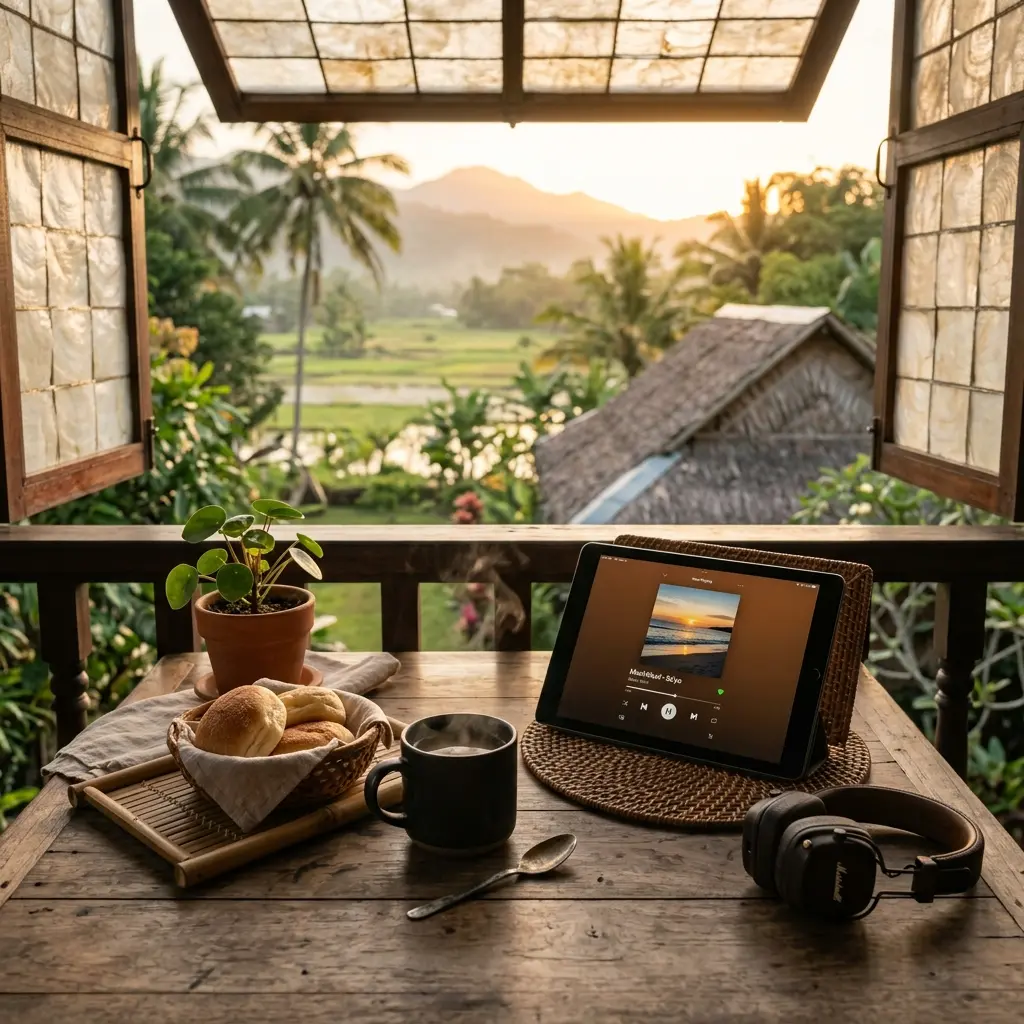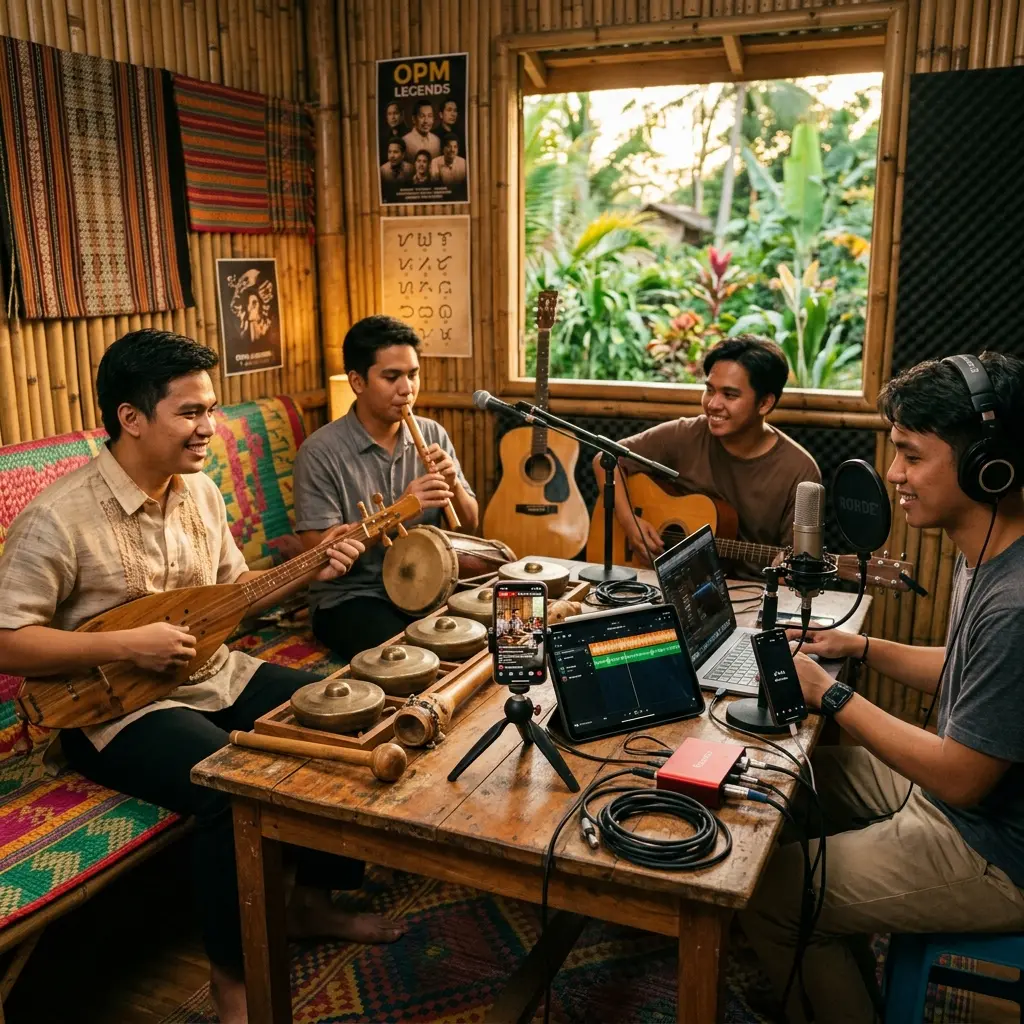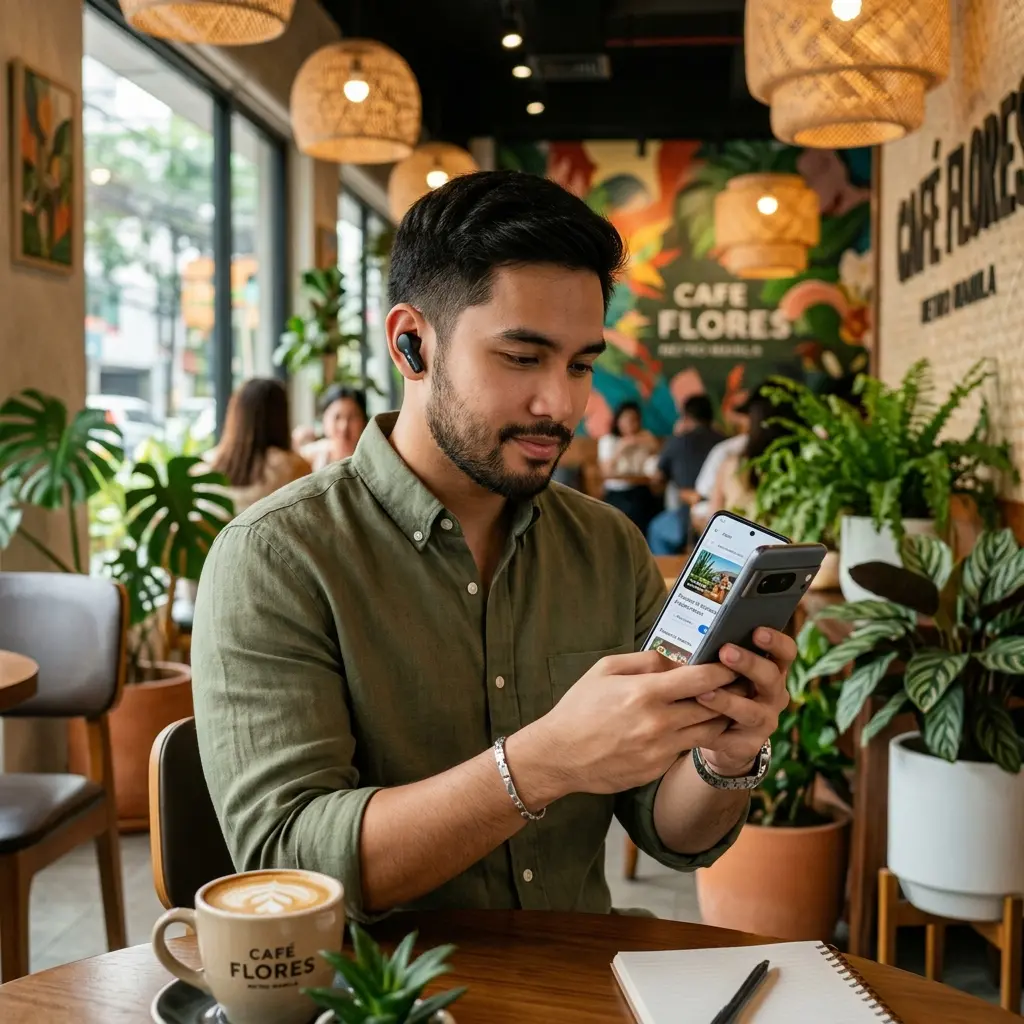

If there’s one thing that defines the modern Filipino workforce today, it’s the sheer resilience and adaptability of the “Pinoy Freelancer.” The traditional 9-to-5 commute through the notorious Metro Manila traffic is slowly being replaced by the glow of laptops in dimly lit bedrooms or the ambient hum of a local café. With the Philippines rapidly becoming one of the global capitals for digital nomads, virtual assistants (VAs), and remote developers, a new subculture has emerged. This is the era of the grind—a daily hustle fueled by strong coffee, reliable fiber internet (hopefully), and an unstoppable diskarte.
But within this thriving community of independent workers, a great debate continues to rage on: Coffee Shop vs. Home Office: Where is the best ‘diskarte’ for productivity?
Are you team Kape at Estetika or team Pambahay at Aircon? Let’s dive deep into the daily lives, the struggles, and the ultimate setups of the modern Filipino remote worker.
The Great Debate: Coffee Shop Aesthetic vs. The Fortress of Solitude
The Case for the Coffee Shop (Team “Kape at Estetika”)
For many, the appeal of working in a coffee shop isn’t just about the caffeine; it’s about the environment. There is a psychological phenomenon where being around other people who are also working can boost your own productivity—a concept sometimes called the “coffee shop effect.”
The Pros:
- The Vibe and Inspiration: Let’s face it, working in your pajamas all week can take a toll on your mental health. Getting dressed, stepping out, and soaking in the ambient noise of a busy café can provide a much-needed reset. The aesthetic is undeniable.
- Networking Potential: You never know who you might sit next to. Many collaborations and even client leads have started with a simple “Is this seat taken?” or a nod of solidarity over a shared power outlet.
- Unlimited (Paid) Aircon: Especially during the brutal Philippine summer, paying 200 pesos for an iced Americano is sometimes cheaper than running the AC at home all day.
The Cons:
- The “Seat Estate” Battle: Finding a table near a power outlet during peak hours is like the Hunger Games.
- Unpredictable Wi-Fi: “Free Wi-Fi” often comes with a time limit or speeds that rival dial-up. Bringing your own pocket Wi-Fi or relying on mobile data is practically mandatory.
- The Cost: A daily coffee habit quickly eats into your profits. That “aesthetic” workspace comes with a premium monthly subscription disguised as lattes and pastries.
The Case for the Home Office (Team “Pambahay at Aircon”)
On the other side of the spectrum are the introverts and the deeply focused—those who have meticulously crafted their work-from-home (WFH) setups into a personal fortress of solitude.
The Pros:
- Absolute Control: You control the temperature, the lighting, the playlist, and most importantly, the ergonomics. A high-quality office chair beats a wooden café stool any day of the week.
- Cost-Effective: Zero commute, no expensive coffee, and the ability to cook your own meals. The savings are massive.
- Privacy and Security: For developers dealing with sensitive code or VAs handling confidential client data, public Wi-Fi is a massive security risk. A secure home network is non-negotiable.
The Cons:
- Cabin Fever: The lines between “work time” and “rest time” easily blur when your office is literally three steps from your bed. Burnout is a silent creeper in the WFH environment.
- Distractions: Family members asking for favors, dogs barking during Zoom calls, or the sudden urge to clean the house instead of finishing a report.
So, what’s the best diskarte? Many successful freelancers adopt a hybrid approach: building a solid, ergonomic home base for deep work, and escaping to a café once or twice a week for administrative tasks, emails, or simply to change the scenery.
Client Horror Stories: The Lowballers and The Ghosters
No discussion about the Pinoy freelance grind is complete without addressing the elephant in the room: dealing with difficult clients. While the global market offers incredible opportunities, it also exposes freelancers to a unique set of challenges.
The “Lowballer”
Every freelancer has encountered them. The client who expects a full-stack, enterprise-level application for the price of a Jollibee Value Meal.
- The “Exposure” Trap: “We can’t pay much right now, but this will look great on your portfolio!”
- The Scope Creep: A project that starts as a “simple 5-page website” morphs into a fully integrated e-commerce platform with custom APIs—all for the original budget of $100.
The Diskarte: The seasoned freelancer knows their worth. They have a firm, non-negotiable minimum rate. They use iron-clad contracts that define the scope of work down to the letter, with clear clauses for revisions and additional features. Learning to say “No” is the most profitable skill you can develop.
The “Ghoster”
You’ve delivered the final files. The work is flawless. You send the invoice. And then… crickets. Days turn into weeks, emails go unanswered, and their Slack status remains permanently offline.
The Diskarte: Always ask for a downpayment (usually 30% to 50%) before writing a single line of code or designing a single pixel. Use escrow services for large projects with new clients. Never deliver the final, unwatermarked source files until the final payment has cleared.
These shared experiences of “lowballers” and “ghosters” have forged a strong sense of community among Filipino freelancers. We share blacklists, advise each other on pricing strategies, and offer moral support when a client goes rogue.
The “Madaling Araw” Shift: Music for the Graveyard Grind
For a massive chunk of the Filipino freelance workforce, the day begins when the sun goes down. To sync with clients in the US, UK, or Australia, hundreds of thousands of VAs, customer support representatives, and developers operate on the “graveyard shift.”
Working from 10 PM to 6 AM is a unique physical and mental challenge. The house is quiet, the world is asleep, but your brain needs to be operating at 100%. This is the “Madaling Araw” shift.
How do you survive the agonizing hours between 2 AM and 4 AM, when your body is screaming for sleep?
The Power of Audio
Silence is the enemy of the night shift worker. It invites sleep. You need auditory stimulation to keep the mind engaged.
- Upbeat Playlists: High-energy pop, electronic dance music (EDM), or intense rock can provide a much-needed adrenaline bump.
- Podcasts and Talk Radio: Sometimes, hearing human voices can make you feel less isolated in the middle of the night.
This is exactly why we built Pure Pinoy Radio. We understand the graveyard grind. We know that feeling of isolation at 3 AM. Our platform curates the best local stations to keep you connected to the pulse of the Philippines, no matter what time zone your client is in. Whether you need high-energy hits to power through a coding sprint or familiar local chatter to keep you company, we’ve got you covered. It’s the perfect companion for the “Madaling Araw” warrior.
Tech Check: Building the Ultimate Budget Pinoy Workstation
The foundation of any successful freelance career is the gear. But you don’t need a half-million-peso setup to start earning. The Filipino diskarte is all about maximizing value and finding the sweet spot between performance and budget.
Let’s break down the essential components for a practical, powerful workstation.
The Brains: Ryzen vs. Intel
The central processing unit (CPU) is where the real debate happens. For years, Intel was the default choice, but AMD’s Ryzen series has completely changed the game, offering incredible multi-core performance at aggressive price points.
- For the Virtual Assistant / Writer: You don’t need a beast. An Intel Core i3 (12th Gen or newer) or an AMD Ryzen 3 is more than enough for heavy web browsing, spreadsheets, and Zoom calls.
- For the Developer / Graphic Designer: This is where AMD shines for the budget-conscious. The AMD Ryzen 5 (5600 or 7600 series) offers fantastic multi-threading capabilities, essential for compiling code or rendering graphics, often at a lower price point than the Intel equivalent (Core i5).
- For the Video Editor: You need cores, and lots of them. The AMD Ryzen 7 or Intel Core i7 are the standard, but the Ryzen platform often provides a more cost-effective upgrade path.
The Verdict: While Intel remains a solid choice, AMD Ryzen currently offers the best “bang for your buck” for the average Filipino freelancer building a custom desktop.
The Essentials: RAM, Storage, and Ergonomics
- RAM: 8GB is the bare minimum for surviving today’s web, but 16GB is the absolute sweet spot. Don’t skimp here. If you are a developer using Docker or running heavy virtual machines, aim for 32GB.
- Storage: A solid-state drive (SSD) is non-negotiable. An NVMe M.2 SSD for your operating system and main applications will make your computer feel lightning-fast. You can add a cheaper, high-capacity Hard Disk Drive (HDD) for long-term file storage.
- The Monitor: Your eyes are your most valuable asset. Invest in a good 24-inch or 27-inch IPS monitor. The color accuracy and viewing angles are far superior to older TN panels.
- Ergonomics: A cheap monoblock chair will destroy your back. Invest in a proper ergonomic office chair. It might seem expensive upfront, but it’s cheaper than paying for physical therapy later.
The Backup Plan: The “Brownout” Protocol
In the Philippines, power interruptions are not a matter of “if,” but “when.” A sudden brownout can destroy hours of unsaved work or drop you from a critical client meeting.
- Uninterruptible Power Supply (UPS): A UPS won’t power your desktop for hours, but it gives you the crucial 5 to 10 minutes needed to safely save your work and shut down gracefully.
- Mobile Data Backup: When the fiber connection goes down, your phone’s hotspot is your lifeline. Always ensure you have an active data promo as a backup.
Conclusion: Embrace the Grind, Celebrate the Wins
The “Pinoy Freelancer” grind is not for the faint of heart. It requires immense self-discipline, constant upskilling, and the emotional resilience to navigate feast-or-famine cycles and demanding clients. But the rewards—freedom, higher earning potential, and the ability to work on your own terms—are undeniable.
Whether you’re battling for a power outlet at a bustling café or grinding through the “Madaling Araw” shift in your quiet home office, remember that you are part of a massive, dynamic community driving the new digital economy.
Keep hustling, keep optimizing your setup, and most importantly, stay connected.
Need the perfect soundtrack for your next grind session? Tune in and stay energized with Pure Pinoy Radio on Facebook! Let us be your companion, from your morning coffee to your midnight deadlines.