When most people think of Philippine media, their minds immediately jump to the towering broadcasting networks headquartered in the bustling metropolis of Mega Manila. It is easy to assume that the voices, the music, and the news that originate from the capital perfectly reflect the entirety of the nation. However, the Philippines is an incredibly diverse archipelago composed of over 7,000 islands, boasting more than 170 distinct languages and countless unique cultural traditions. To truly understand the heart and soul of the Filipino people, you have to venture beyond the capital. You have to tune your dial to the provinces.
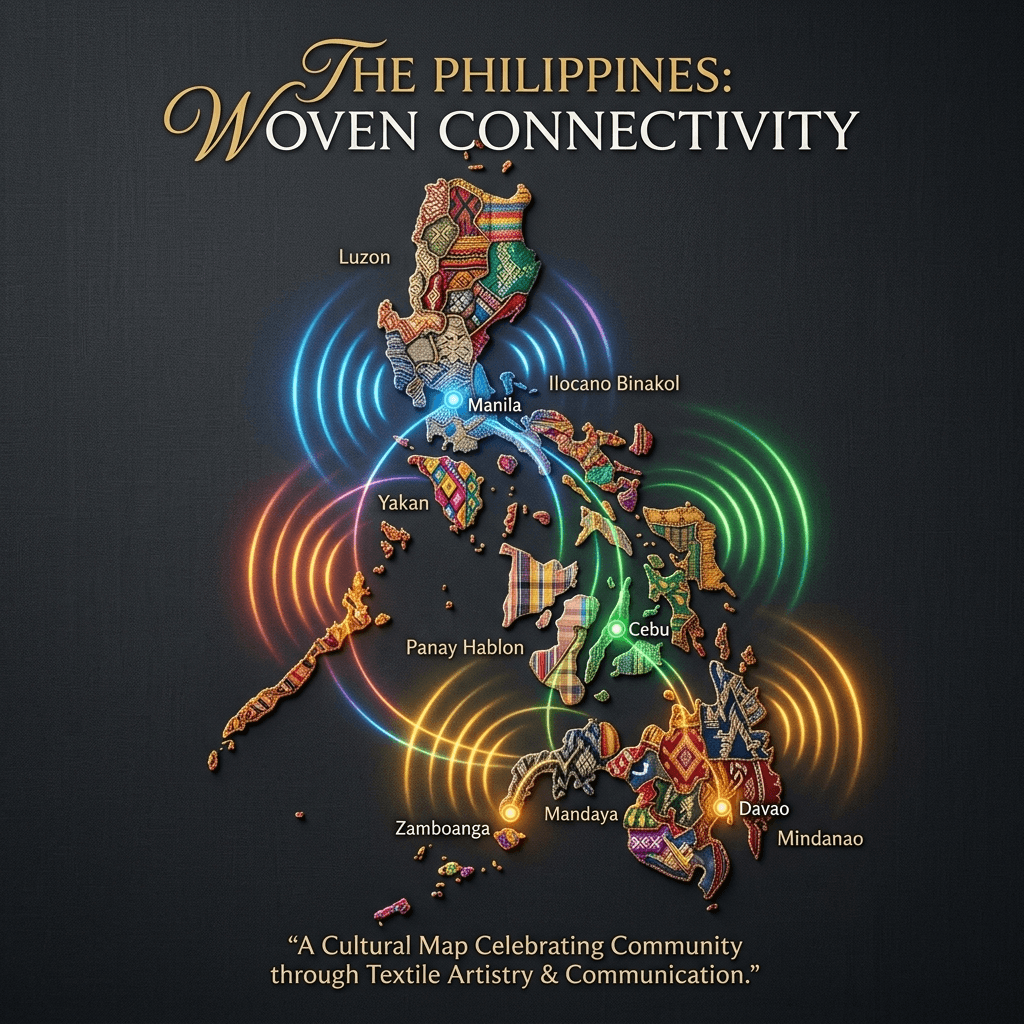
While the big Manila networks undoubtedly dominate the national airwaves, some of the most vibrant, culturally rich, and profoundly authentic radio in the Philippines happens on the regional level. From the misty, pine-covered highlands of the Cordillera region in the north to the vibrant, coastal fishing towns of Mindanao in the south, local regional stations serve as the absolute heartbeat of their respective communities. Let us embark on a journey across the dial to uncover the hidden gems of regional Philippine radio.
The Power and Preservation of the Local Dialect
One of the greatest, most undeniable joys of exploring regional radio is hearing the breathtaking diversity of Philippine languages in their purest, most natural forms. In an era where national television and digital media heavily prioritize Tagalog and English, regional radio remains one of the last, most stubborn strongholds for linguistic preservation.
When you tune into a local station in Iloilo, you are instantly wrapped in the gentle, sing-song cadence of the Hiligaynon language. Switch over to a station in Davao, and you hear the sharp, commanding, and expressive delivery of Bisaya. In Baguio City, the airwaves are filled with the rapid, earthy humor of Ilokano broadcasters.
These stations do not just translate Manila news into the local dialect; they think, joke, and empathize in the mother tongue. This creates a level of intimacy between the broadcaster and the listener that national networks simply cannot replicate. For a farmer in the rice terraces of Banaue or a fisherman in the waters of Zamboanga, hearing the news and weather delivered in the exact language their ancestors spoke provides a deep sense of belonging and cultural pride. Regional radio ensures that these beautiful languages remain alive, relevant, and continuously spoken by the next generation.
More Than Music: The Ultimate Community Lifeline
While Manila FM stations often focus on the Top 40 pop hits and celebrity gossip, regional radio stations carry a much heavier responsibility. In many distant provinces where internet connectivity is spotty and daily newspapers are delivered days late, the local AM or FM station is the primary—and sometimes the only—source of critical information.
These stations serve as absolute lifelines for their local economies. Early in the morning, agricultural programs broadcast the daily market prices for palay (unmilled rice), copra, and vegetables. This empowers local farmers, ensuring they know the exact value of their crops before they make the long journey down the mountain to sell them at the public market.
Similarly, coastal stations provide hyper-localized marine weather forecasts and gale warnings, telling local fishermen whether it is safe to take their small bangkas out to sea that night. Beyond economics, these stations act as the ultimate platform for civic engagement. The morning political commentary shows are fiery, unscripted, and deeply focused on local governance. It is the place where citizens call in to complain about unpaved roads, delayed local budgets, or corrupt town officials. The regional radio broadcaster often serves as the unofficial ombudsman of the province, holding local politicians accountable on live air.
The Cultural Time Capsules: Preserving Local Music and Arts
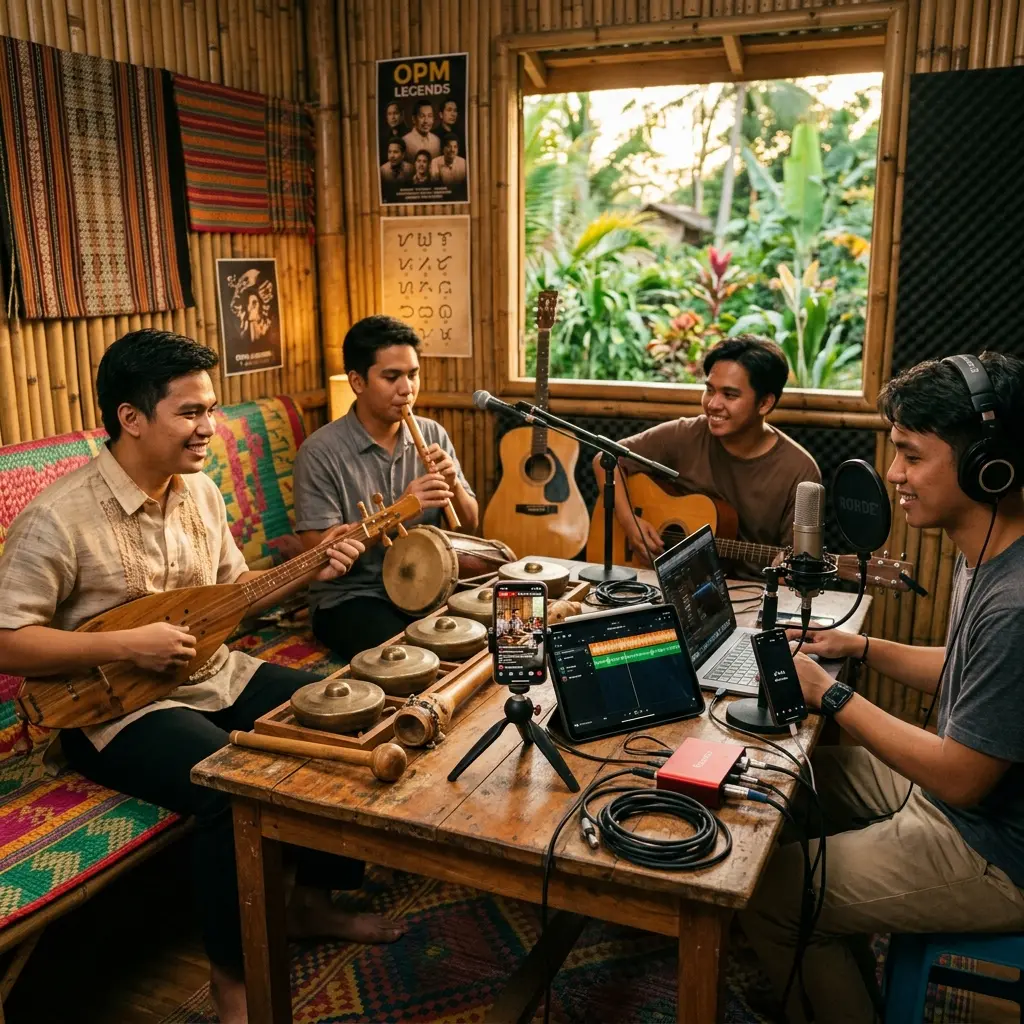
Regional radio is also the primary guardian of local musical traditions that would otherwise be drowned out by international pop music. Manila has OPM (Original Pilipino Music), but the regions have their own fiercely independent music scenes.
The Cordillera Country Sound
If you tune into a local station in Baguio City or the Mountain Province, you might be surprised to hear a massive amount of American-style country music, intermixed with local “Igorot Country” songs. Because of the cool climate and the historical presence of American missionaries, country music deeply resonated with the indigenous peoples of the north. Today, local stations play modern country alongside traditional gongs (gangsa), creating a uniquely Filipino highland sound that you will rarely hear anywhere else.
The Visayan Pop and Drama
In Cebu and the greater Visayas region, “Vispop” (Visayan Pop) is a massive industry. Local FM stations proudly blast modern, high-quality pop, rock, and acoustic tracks written entirely in Cebuano. These stations also keep the incredibly popular tradition of the radio drama alive. Long, serialized audio soap operas featuring complex sound effects and dramatic voice acting remain a staple of the afternoon broadcast, with entire neighborhoods pausing their day to listen to the latest plot twists.
The Melting Pot of Mindanao
Mindanao radio is perhaps the most diverse in the country. In cities like Zamboanga and Cotabato, you will hear a beautiful mix of Chavacano (a Spanish-based Creole language), Tausug, and Maguindanaoan. Many local stations also play a crucial role in peace-building efforts, hosting interfaith dialogues between Christian and Muslim community leaders on air, and broadcasting messages of unity and cultural understanding.
The Phenomenon of the “Panawagan”
Perhaps the most unique, charming, and distinctly Filipino aspect of regional radio is the Panawagan (public announcement) segment. Because some remote barangays do not have reliable cell phone signals, the radio acts as the community bulletin board.
During the Panawagan, the DJ will read a continuous stream of personal messages from listeners. You will hear announcements like, “To Mang Jose in Barangay San Isidro, please pick up your fertilizer at the town plaza,” or “To the family of Aling Maria, she has safely arrived at the bus terminal.” It is a beautiful, analog display of community care and interconnectedness that reminds us of a simpler time, proving that technology does not always have to be digital to be highly effective.
The OFW Connection: A Direct Line to the Hometown
The importance of regional radio is not just limited to the people physically living in the provinces. For the millions of Overseas Filipino Workers (OFWs) scattered across the globe, regional radio holds a deeply emotional significance.
When a nurse from Iloilo is working a lonely night shift in a hospital in London, listening to a Manila-based station might provide some comfort, but listening to a local Iloilo station is a completely different experience. Hearing the specific Hiligaynon dialect, recognizing the names of local streets in the traffic report, and hearing the familiar jingles of local bakeries and hardware stores instantly transports them back to their hometown. It provides a highly specific, targeted dose of nostalgia that cures homesickness in a way that national media simply cannot.
Discover the Hidden Gems on Pure Pinoy Radio
At Pure Pinoy Radio, we firmly believe that the true sound of the Philippines is not just a single voice coming from the capital, but a beautiful, chaotic, and harmonious choir of voices coming from all 81 provinces. We make a conscious, dedicated effort to include these regional voices in our digital directory.
We want to ensure that whether you are a proud Cebuano, a hardworking Ilokano, or an adventurous listener wanting to explore the diverse cultures of your own country, you have access to the authentic sounds of the regions.
The next time you open the Pure Pinoy Radio app or website, we challenge you to step out of your comfort zone. Try filtering the station list by “Visayas” or “Mindanao.” Tune into a local broadcast from a province you have never visited before. Listen to the unique cadence of the dialect, the distinct style of the local music, and the genuine warmth of the provincial DJ. You might just discover a brand new perspective on what it means to be Filipino, and you might just find your new favorite midday companion.