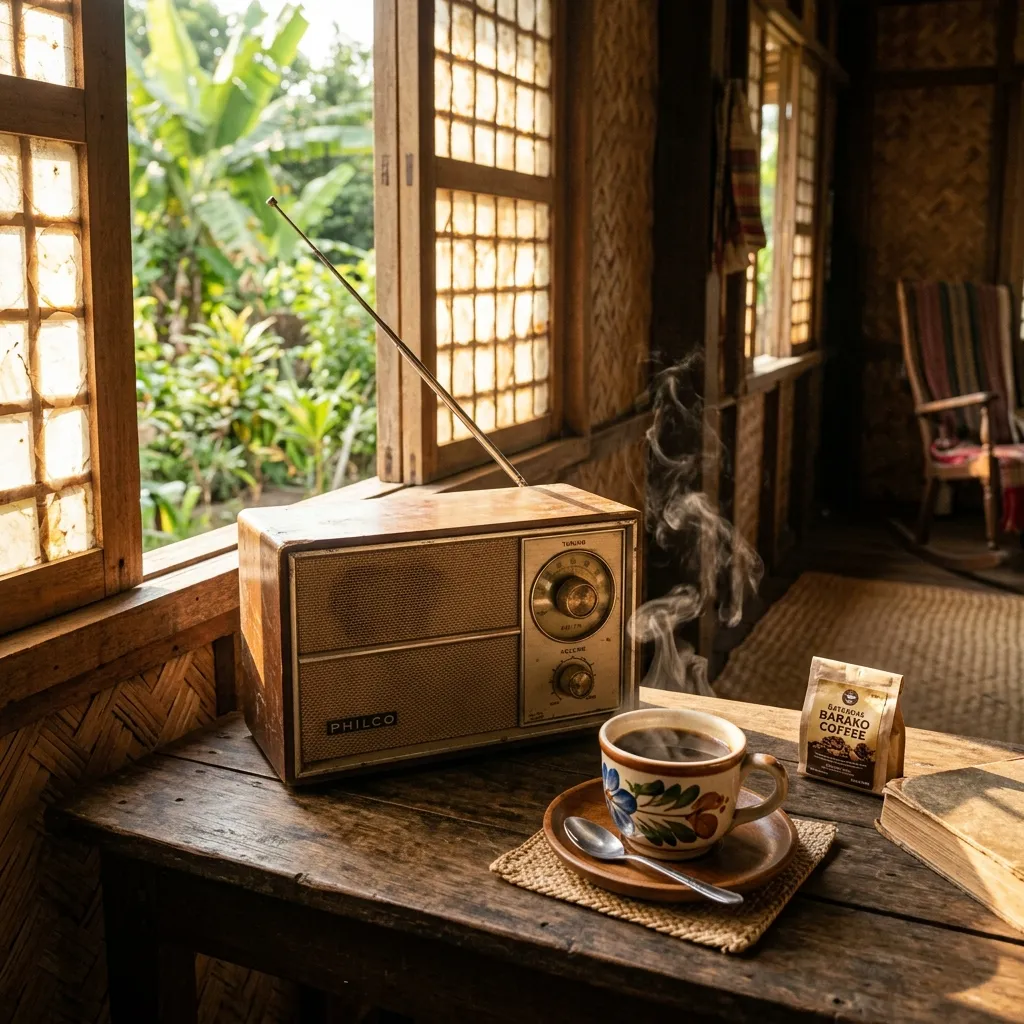
Sa Pilipinas, ang radyo ay hindi lang basta “background noise.” (In the Philippines, the radio is never just background noise.)
For the vast majority of Filipinos, the radio is a vital, non-negotiable part of daily survival. It is the steady companion alongside the first hot cup of 3-in-1 coffee in the morning. It is the sole source of entertainment during the grueling, soul-crushing three-hour traffic jams on EDSA. It is the energetic soundtrack blasting from the corner sari-sari store, the local barbershop, and the bustling public wet markets.
While the younger, highly affluent demographics might rely on curated Spotify algorithms or international Apple Music playlists, the true, beating heart of Philippine audio entertainment lies in what is affectionately known as “Masa Radio.” But what exactly makes these masa (masses) radio stations so incredibly special? Why do millions of Filipinos keep coming back to the exact same familiar FM frequencies and the same familiar voices, day after grueling day? Let us explore the profound cultural phenomenon of the Masa Radio vibe.
Understanding the “Masa” Demographic
To understand the immense appeal of these stations, you must first understand the target audience. The “Masa” refers to the broad, working-class majority of the Philippine population. This demographic is hardworking, incredibly resilient, highly social, and fiercely loyal. They are the taxi drivers, the factory workers, the nurses, the market vendors, and the millions of Overseas Filipino Workers (OFWs) who keep the national economy afloat.
For decades, Philippine FM radio was heavily dominated by a very Westernized, elitist approach. DJs spoke in flawless, heavily accented American English. They played imported top 40 hits and catered primarily to the wealthy upper-middle class.
The revolution happened when stations like 90.7 Love Radio, Yes FM (now Yes The Best), and Star FM realized that they were ignoring 90% of the population. They made a massive, highly controversial pivot. They completely dropped the English-only rule. They told their DJs to speak the language of the streets—a chaotic, beautiful mix of Tagalog, English, regional dialects, and rapidly evolving street slang (including bekimon or gay lingo). The result was an absolute ratings explosion. The masa finally had a voice on the FM dial that sounded exactly like them.
The Art of the “Kwentuhan” and the Digital Tambayan
The undeniable magic of Masa radio does not actually lie in the music playlist; it lies in the kwentuhan (storytelling and conversation).
Filipino culture is deeply, intrinsically rooted in oral tradition and communal gathering. We are a people who love to talk. We love to share stories, we love to gossip, we love to give unsolicited advice, and above all, we love to laugh loudly together. In the physical world, this happens at the tambayan—the neighborhood hangout spot, usually a street corner or a waiting shed where friends gather after work to drink a cold beer and talk about their day.
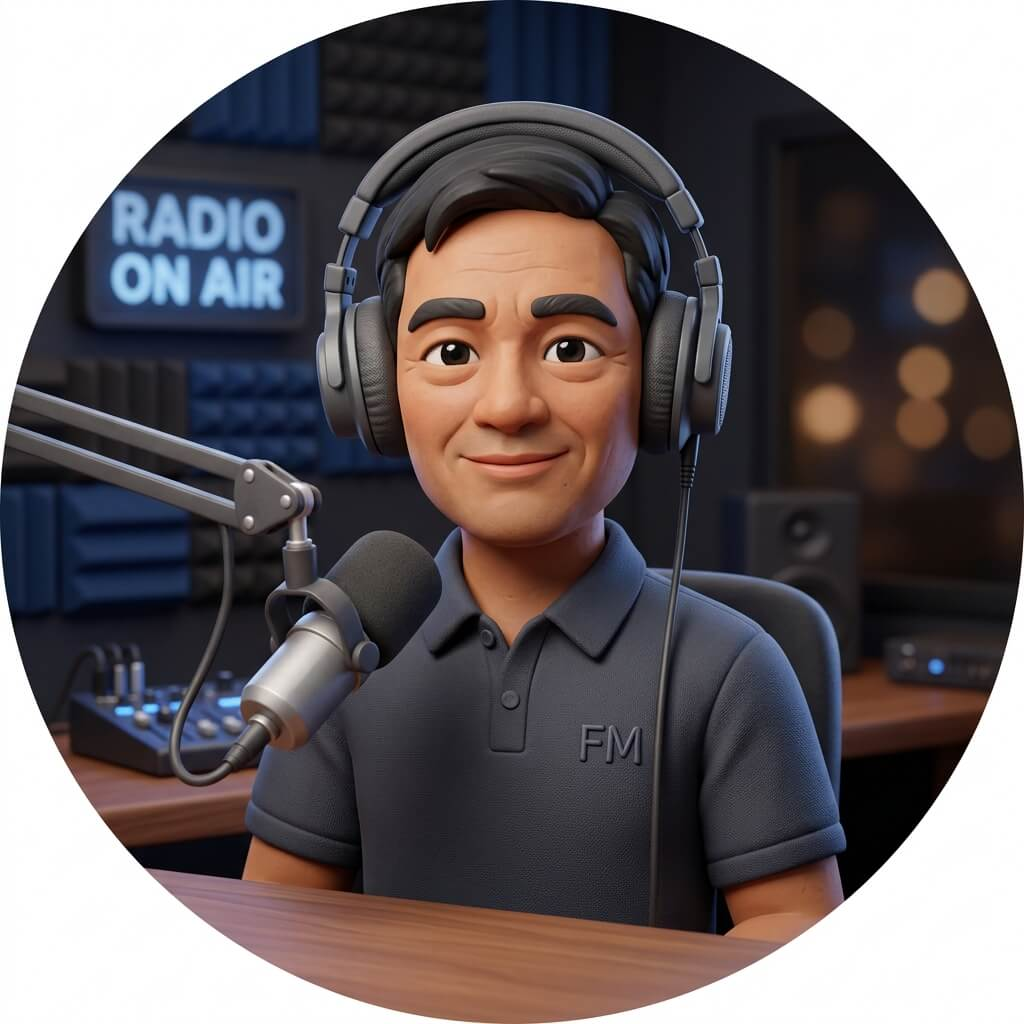
Masa radio stations have masterfully recreated this physical tambayan on a massive, nationwide digital scale. DJs like the legendary Papa Jack, the hilarious duo of Chris Tsuper and Nicole Hyala, or the high-energy Barangay LS crew are not trained to sound like professional, distant broadcasters. They are explicitly trained to sound like that funny cousin, the loud tito (uncle), or the fiercely loyal kumare (close female friend) who always has a ridiculous story to tell.
When they talk on the air, they do not discuss high-level macroeconomics or complex global politics. They talk about real, gritty, everyday life. They complain about the rising price of onions. They make fun of their own terrible love lives. They discuss the stress of dealing with terrible bosses and the simple, undeniable joy of a perfectly cooked plate of sisig. This intense level of highly relatable conversation creates a profound sense of community and intimacy that you simply cannot get from a silent, algorithmically generated streaming playlist.
The Chaos of Sound Effects (SFX)
You cannot talk about Masa radio without talking about the absolutely chaotic, relentless use of sound effects (SFX). If you tune into a prominent Masa morning show, you will be bombarded by a literal wall of sound.
Every single joke is punctuated by a cartoonish “boink” or a sliding whistle. Every sarcastic comment is followed by a loud, infectious laugh track. There are crying babies, shattering glass, animal noises, and heavily synthesized vocal drops.
To an outsider or a foreigner, this constant barrage of noise might seem incredibly irritating or unprofessional. But within the cultural context of the Philippines, it is pure, unadulterated genius. Filipinos possess a very loud, vibrant, and highly expressive sense of humor. The sound effects act as an auditory exclamation point. They artificially inject a massive amount of energy into the broadcast, successfully waking up millions of exhausted commuters and setting a joyful, festive tone for the rest of the grueling workday. It is chaotic, it is loud, and it is beautifully Filipino.
Catchphrases That Define a Generation
Masa radio is heavily driven by branding and catchphrases that inevitably bleed into the national vocabulary. When Love Radio introduced the tagline, “Kailangan pa bang i-memorize ‘yan? Bisyo na ‘to!” (Do you still need to memorize it? This is a vice!), it didn’t just stay on the radio. It became a national phenomenon. People started using it in daily conversation, politicians used it in their speeches, and it was printed on t-shirts.
These catchphrases are carefully designed to be incredibly “sticky.” They create a shared inside joke among millions of listeners. When you meet a complete stranger in a different province and you both know the specific radio catchphrase, you instantly share a cultural bond.
The OPM Hugot Connection: The Soundtrack of Heartbreak
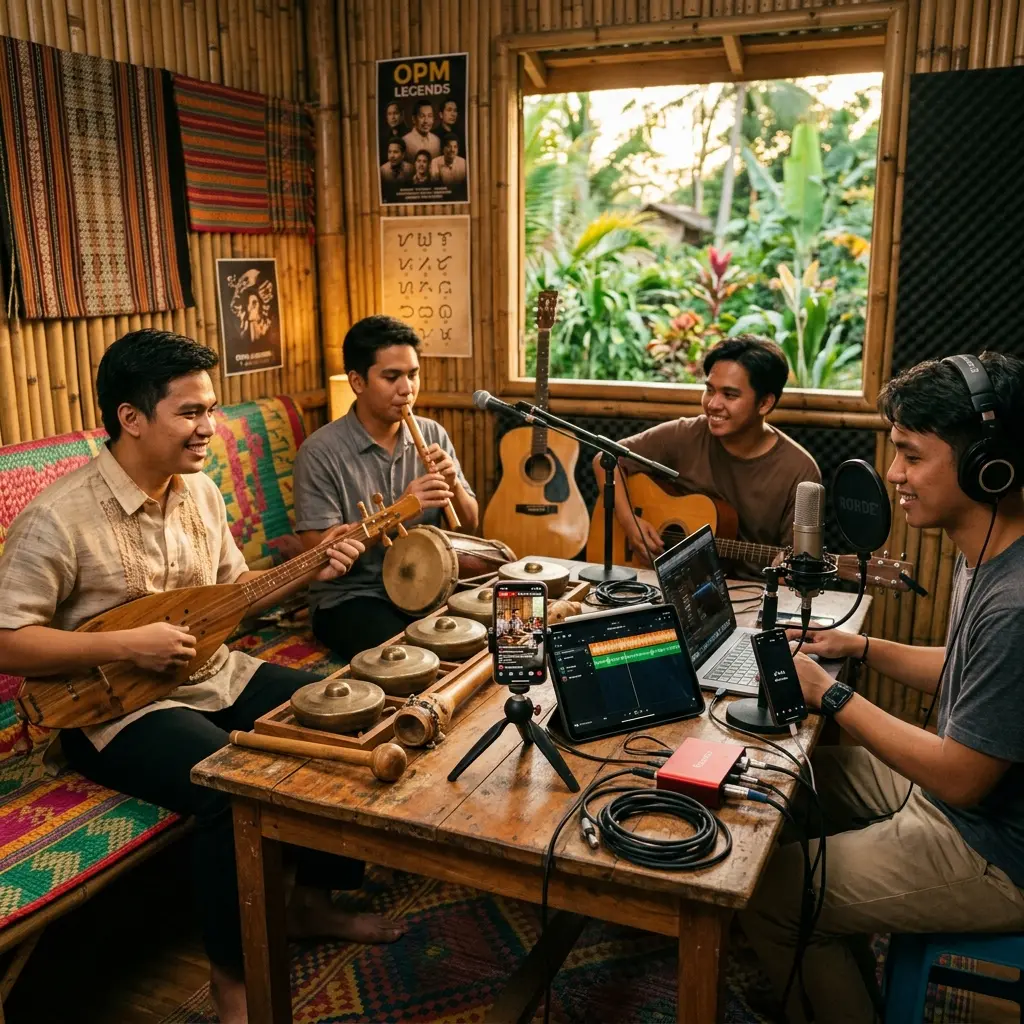
While the DJs provide the comedy, the music provides the emotional anchor. Masa stations are the undisputed, heavyweight champions of OPM (Original Pilipino Music). But they don’t just play any OPM; they specifically curate songs that match the incredibly dramatic emotional pulse of the nation.
Filipinos are notoriously emotional people. We love to be in love, and more importantly, we love the dramatic pain of heartbreak. This is encapsulated in the concept of hugot (to pull out deep emotions). Masa radio stations heavily prioritize hugot anthems.
If it is raining in Metro Manila on a Friday afternoon, you can absolutely guarantee that the Masa stations will immediately start playing the classic, screaming rock ballads of the band Aegis, or the heartbreaking acoustic tracks of Moira Dela Torre. Whether you are feeling senti (sentimental) while looking out the window of a bus, or you need an upbeat, heavily synthesized “Budots” dance track to keep you awake during the graveyard shift, Masa radio always delivers the exact track needed for the exact cultural moment.
The Interactive Element: Pranks, Blind Dates, and Confessions
The interaction on Masa radio goes far beyond simply reading text messages. These stations have turned audience participation into high art.
Late-night segments are famous for their incredibly raw, unfiltered live phone calls. Listeners call in to confess infidelity, ask for financial advice, or cry over a spouse working overseas. The DJ offers advice that is often brutal, highly practical, and completely unscripted.
Other stations host live, on-air blind dates, where callers try to flirt with each other while the DJ and the entire nation listen in and make fun of them. Some morning shows even execute elaborate, highly coordinated prank calls (often requested by a listener’s friends or family) that result in screaming matches and hilarious reveals. This high level of unpredictability ensures that the listener never wants to turn the dial, because they never know exactly what crazy thing is going to happen next.
Conclusion: The Irreplaceable Human Touch
In a rapidly advancing technological era heavily dominated by Artificial Intelligence, machine learning, and perfectly tailored Spotify algorithms, it is easy to assume that traditional radio is dying. But the Masa radio format proves that the human touch remains absolutely irreplaceable.
An algorithm cannot execute a perfectly timed prank call. An AI cannot offer genuine, tearful empathy to a caller whose mother just passed away. A playlist cannot recreate the chaotic, beautiful noise of a Filipino tambayan.
Masa radio is not just about broadcasting music; it is about broadcasting the very soul of the Filipino people. It is the digital hangout spot that never closes, the reliable friend that never leaves, and the voice of home that always understands you. The next time you are feeling a bit lonely, stressed, or just need a genuinely good laugh, do not just put on your headphones and isolate yourself. Tune into your favorite Masa station on Pure Pinoy Radio. Let the chaotic sound effects, the hilarious Taglish jokes, and the heartbreaking OPM ballads wash over you. It is more than just radio—it is home.