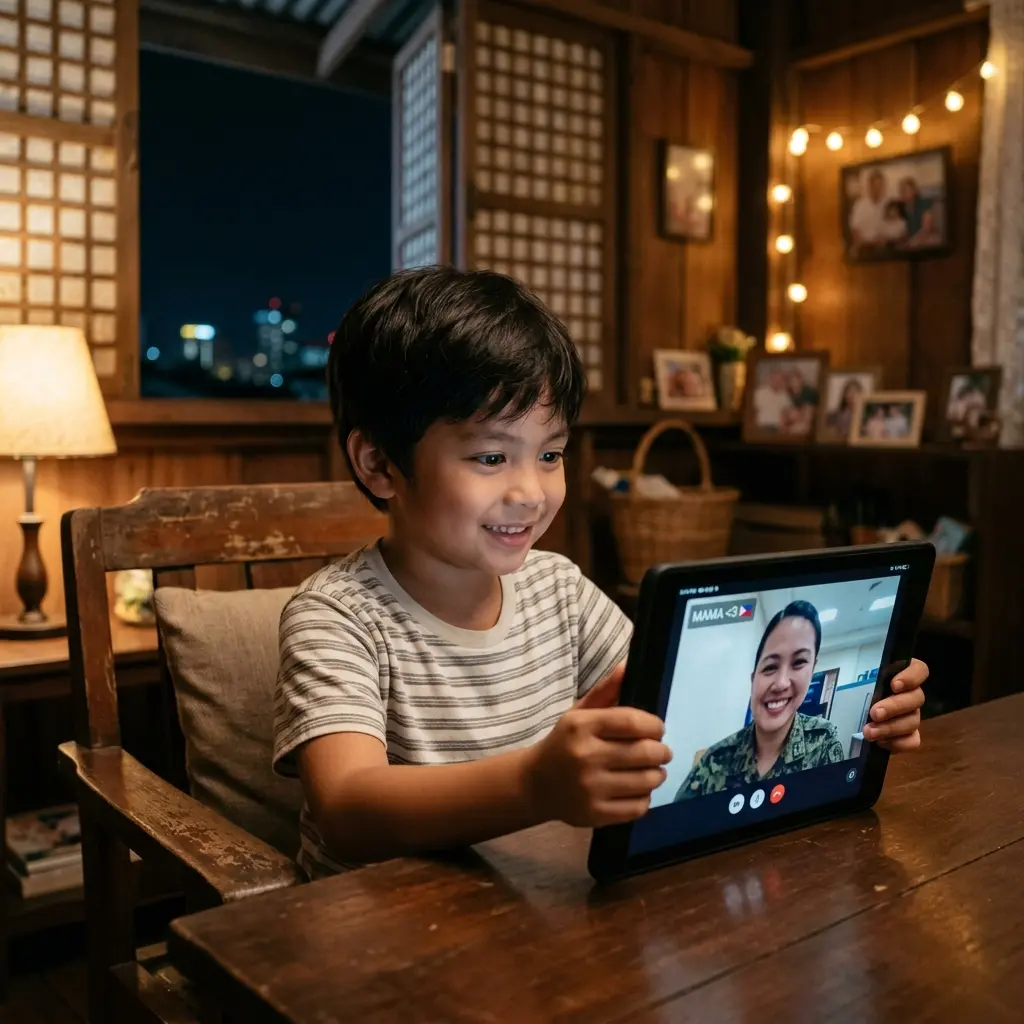
“How do you stay ‘present’ in your family’s life while being thousands of miles away?”
Ito ang tanong na laging dala ng bawat Overseas Filipino Worker (OFW) bago sumakay ng eroplano, at ito rin ang tanong na bumubungad sa kanila tuwing gigising sila sa isang malamig na bansa, malayo sa ingay ng tricycle at tawanan ng kanilang mga anak. For most Filipinos, the acronym “LDR” doesn’t just refer to romantic partners struggling with different time zones; it refers to a much deeper, more complex Long Distance Reality between parents and their children, or siblings and their elderly parents.
Sa kasalukuyan, mahigit sampung milyong Pilipino ang naninirahan o nagtatrabaho sa labas ng bansa. This means millions of families are being raised through pixels on a screen, fiber optic cables, and the occasional high-speed internet connection. It is a sacrifice made for the “better life,” but at what cost to the emotional fabric of the family?
Ang Virtual na Noche Buena: Pasko sa Harap ng Tablet
One of the most heartbreaking yet resilient images of the modern Pinoy family is the “Virtual Noche Buena.” Imagine this: Sa Maynila, puno ang mesa ng hamon, queso de bola, at ang paboritong spaghetti. Sa kabilang dako naman ng mundo—marahil sa Dubai, London, o New York—isang OFW ang nakaupo sa harap ng isang cup noodle, nakasuot ng makapal na jacket, habang naka-video call sa kanyang pamilya.
“Nak, kain na tayo,” sabi ni Tatay mula sa kabilang screen. Kahit hindi niya nalalasahan ang luto ni Nanay, ang mahalaga ay naroon siya. The advent of technology has bridged the gap, but it has also highlighted the emptiness of the physical chair left behind.
Virtual celebrations have become our new standard. Birthdays are celebrated with a “Blow the candle, Nak!” directed at a screen. Graduations are watched via Facebook Live, with a parent in uniform or work clothes wiping tears while sitting in a breakroom thousands of miles away. While these digital bridges allow us to participate in the milestones, they cannot replace the warmth of a hug or the actual touch of a hand on a shoulder.
Para sa mga bata, ang kanilang magulang ay nagiging isang “talking head” sa Messenger. This creates a unique psychological distance where the parent is always available for advice via chat, but never there to kiss a scraped knee or attend a parent-teacher meeting. How we navigate this “digital presence” defines the strength of the modern Pinoy household.
Pasalubong Guilt: ATM o Pamilya?
Dito tayo sa usapang masakit: ang “Pasalubong Guilt.”
Maraming OFWs ang umaamin na minsan, pakiramdam nila ay nagiging “ATM” na lang sila sa mata ng kanilang pamilya. Tuwing tumatawag ang kamag-anak, hindi laging “Kumusta ka?” ang unang tanong, kundi “Kailan ang sunod na padala?” o “Nasaan na ‘yung Balikbayan box?”
This phenomenon creates a deep sense of guilt for the person abroad. They feel that their worth is measured by the brand of shoes they send or the amount of “remittance” that hits the bank account every 15th and 30th of the month. On the flip side, some parents abroad overcompensate for their physical absence by showering their children with expensive gadgets and designer clothes.
“Hindi ko man sila mayakap, mabibili ko naman sila ng iPhone,” is a common, silent justification. But this often leads to a disconnect. The child grows up with every material need met but with an emotional void that no amount of chocolate or signature bags can fill.
It is a delicate balance. How does a parent maintain their authority and emotional connection when their primary role has been reduced to being the provider? The reality is that pasalubong is a love language for Filipinos, but it should never be the only language spoken between a parent and a child. True presence is found in the daily “Kumusta ang school?” and the shared stories that don’t involve a price tag.
From OFW to Entrepreneur: The Success Stories
Hindi naman puro lungkot ang kuwento ng LDR. Marami ring tagumpay na nagbubunga mula sa sakripisyong ito. In recent years, we have seen a rise in the “Successful Returnee”—OFWs who saved their hard-earned money, invested wisely, and successfully transitioned back to being entrepreneurs in the Philippines.
Take the story of Mang Jun, who worked in Saudi for 20 years. Instead of just spending all his earnings on luxury items, he and his wife started a small piggery and a local bakery in their province. Today, Mang Jun is home for good. He no longer watches his grandkids grow up through a screen; he walks them to school every morning.
Then there is Sarah, a former domestic helper in Hong Kong who saved enough to open a small “Milk Tea” franchise in her hometown. These stories are a testament to the Filipino spirit’s resilience. The goal of every LDR should be the eventual “Homecoming.”
Investing in financial literacy is key. Many OFWs are now realizing that being a provider abroad is a temporary phase. The ultimate success is building a sustainable life back in the Philippines where the family can finally be whole again.
Keeping the Connection: The Role of Pure Pinoy Radio
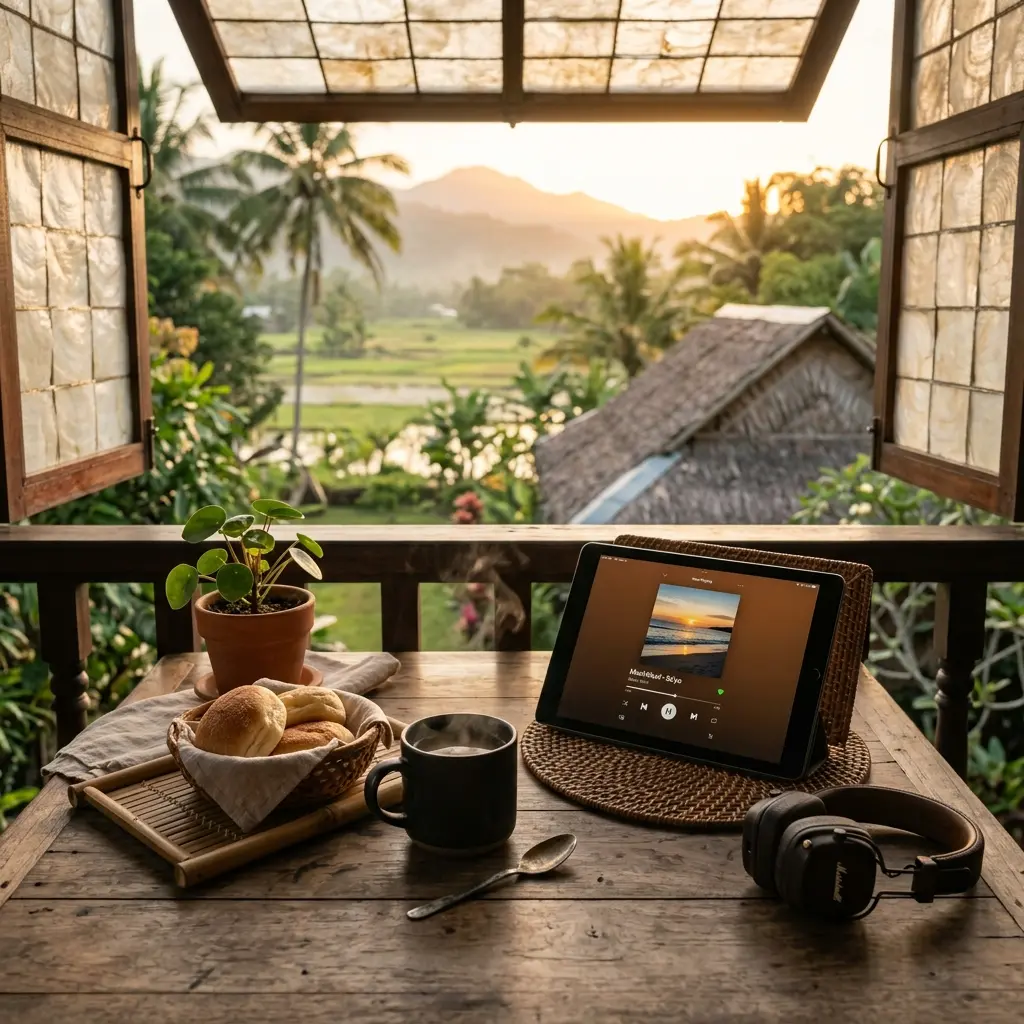
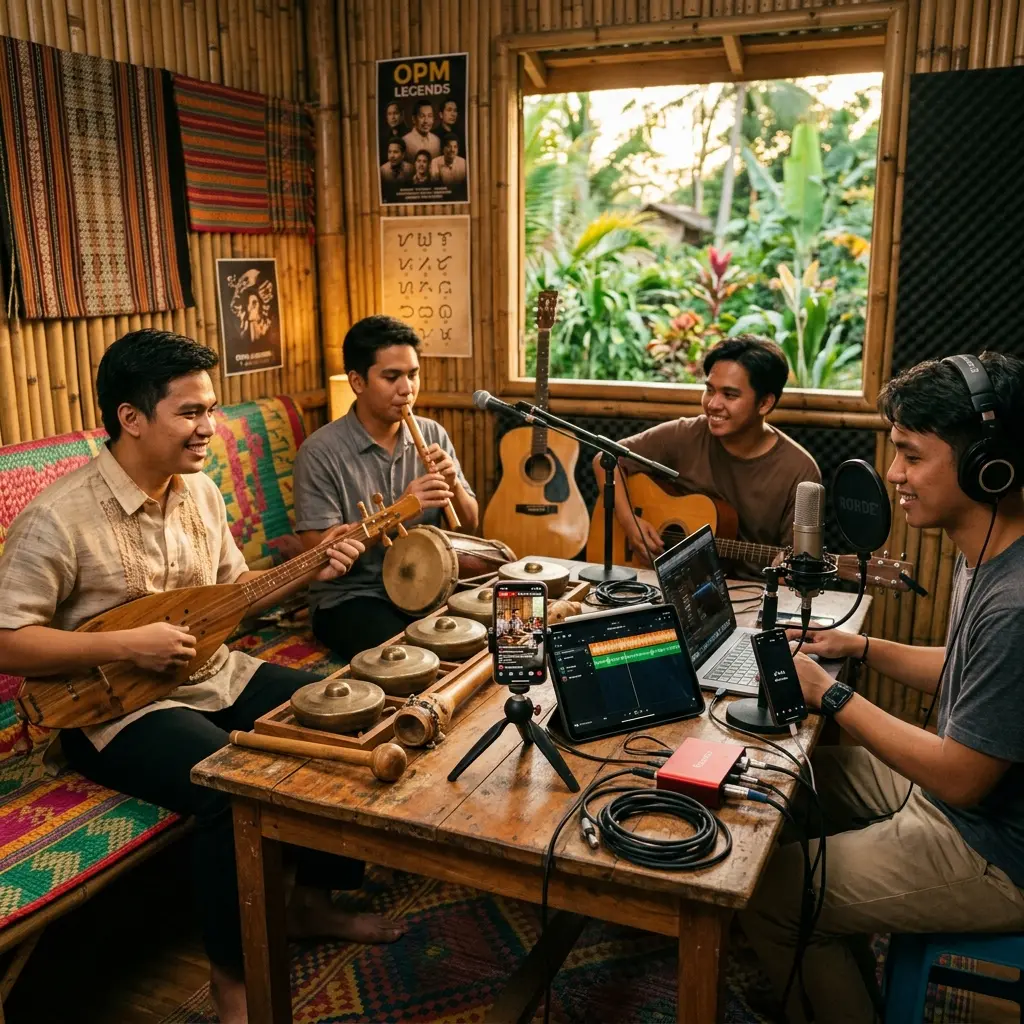
In the midst of this distance, how do we stay connected to our roots? This is where the sense of “home” becomes a lifeline. Whether you are a nurse in Ireland or a seaman in the middle of the Atlantic, hearing the familiar sounds of OPM, the local news, and the Tagalog banter on the radio can make you feel like you’re just a jeepney ride away from home.
Pure Pinoy Radio serves as that emotional bridge. It provides the soundtrack to the OFW life—playing the songs that remind them of their first date in Luneta or the lullabies they used to sing to their kids. By staying tuned to Pure Pinoy Radio, our kababayans abroad can keep the Filipino spirit alive in their hearts, no matter how many miles lie between them and their loved ones.
It’s about more than just music; it’s about a shared experience. When an OFW hears a song that is currently a hit in Manila, they feel a part of the local culture. It gives them something to talk about with their kids. It keeps them “present” in the Filipino timeline.
Conclusion: Bridging the Miles
Distance is a physical reality, but it doesn’t have to be an emotional one. The Long Distance Reality of the Pinoy family is a story of immense sacrifice, but also of incredible love and hope. Whether it’s through a grainy video call during Noche Buena or a Balikbayan box filled with more love than canned goods, we find ways to stay whole.
To all our OFWs and the families they left behind: stay strong, stay connected, and never lose sight of the “Homecoming.” Keep the conversation going, keep the love flowing, and keep the radio playing.
Want to share your own LDR success story or tips on staying connected? Join our growing community on the Pure Pinoy Radio Facebook Page and let’s celebrate the resilience of the Filipino family together!
Purely Pinoy. Perfectly Streamed. Connecting Filipinos Worldwide.