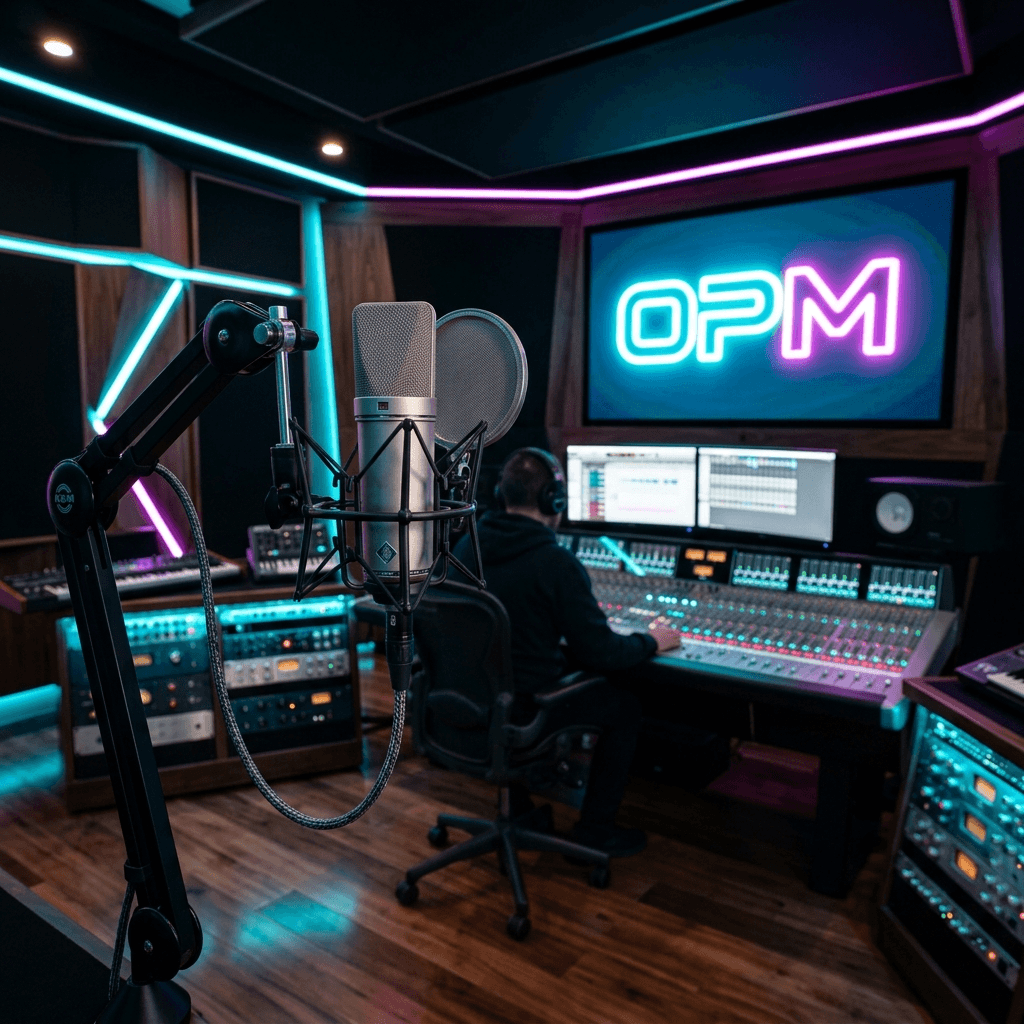
For decades, the term “Original Pilipino Music” (OPM) was largely synonymous with a very specific set of sounds. When you mentioned OPM, people immediately thought of the heart-wrenching, soaring power ballads of the 1980s, the acoustic guitar-driven heartbreak anthems of the early 2000s, or the gritty, electric distortion of the 1990s alternative rock band explosion. OPM was defined by its incredible vocal prowess and its profound lyrical depth, specifically its mastery of the hugot—the deep, emotional pull of romantic longing.
However, if you look at the Philippine music charts today, you will witness a massive, vibrant, and energetic shift. The classic ballads are still there, but they are now sharing the top spots with high-octane dance tracks, incredibly synchronized choreography, and hyper-stylized music videos. We are officially in the era of P-Pop (Philippine Pop). Taking heavy aesthetic and structural inspiration from the massive success of global pop trends, modern P-Pop groups are completely redefining what Filipino music looks and sounds like, bringing OPM out of the local radio stations and onto the international stage.
What Exactly is P-Pop? A Global Sound with a Distinctly Pinoy Soul
At first glance, it is easy to dismiss P-Pop as a mere imitation of the incredibly successful K-Pop (Korean Pop) or J-Pop (Japanese Pop) industries. The visual similarities are certainly there: the intense idol training systems, the color-coordinated outfits, the massive emphasis on synchronized dance routines, and the dedicated, highly organized fan clubs.
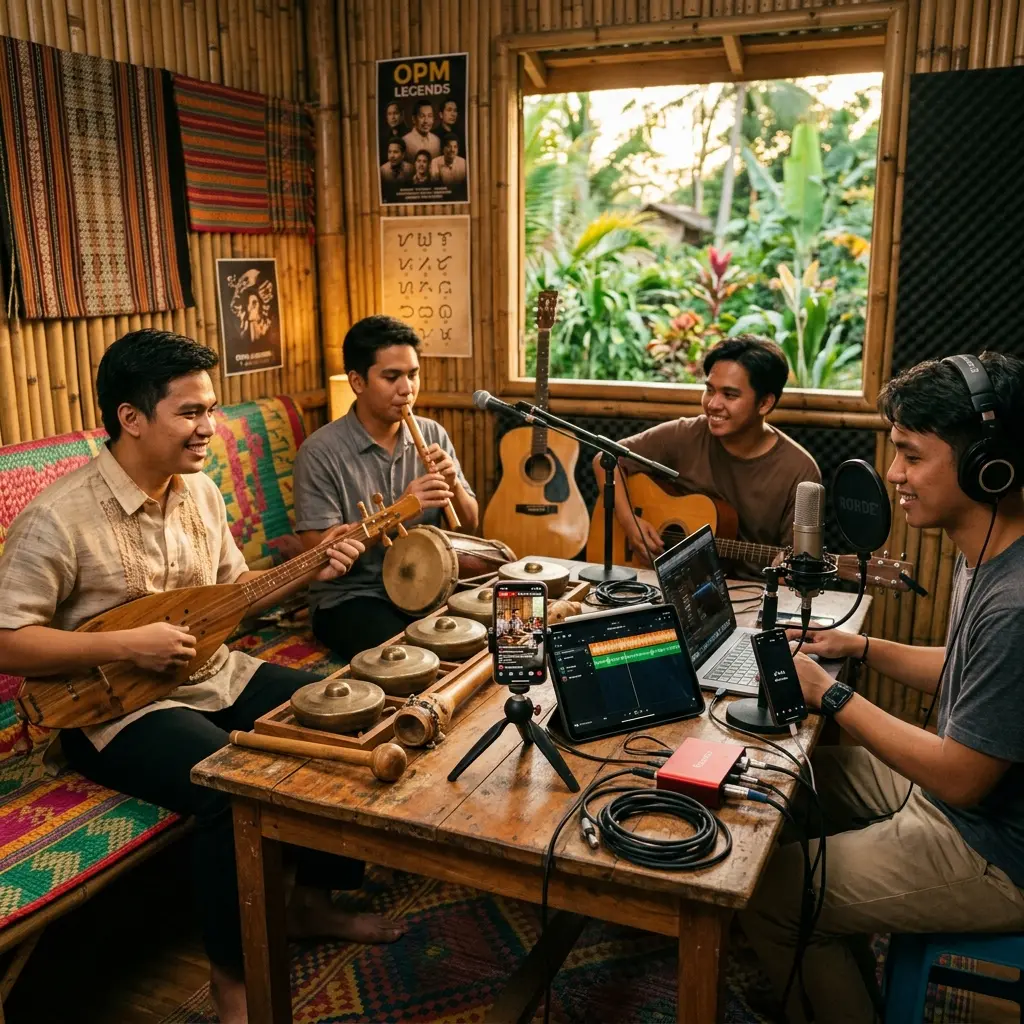
However, looking beneath the glossy surface reveals that P-Pop is not just a copy; it is a highly localized evolution. The most successful P-Pop groups have figured out how to take the international pop formula and inject it with an undeniably, authentically Filipino soul. They are weaving the Tagalog language, local folklore, historical themes, and traditional indigenous instruments into high-energy electronic pop productions.
This unique, brilliant blend is what makes P-Pop a legitimate force to be reckoned with. It proves that Filipino artists can compete on the world stage in terms of production value and performance skill, without having to sacrifice their cultural identity.
The Vanguard of the Revolution: SB19, BINI, and ALAMAT
The current P-Pop revolution was not an overnight success; it was built on the backs of several pioneering groups who pushed through initial skepticism and proved that the format could work in the Philippines.
SB19: The Record-Breaking Pioneers
You cannot discuss the history of P-Pop without talking about SB19. They are the undisputed kings of the modern P-Pop movement. After undergoing years of grueling, rigorous training, SB19 broke onto the scene with a level of vocal and dance synchronization that the Philippines had never seen from a local boy group. They made history by becoming the first Southeast Asian act to be nominated for a Billboard Music Award, proving that a group singing predominantly in Tagalog could capture a massive global audience. Songs like Gento and MAPA showcased their incredible versatility, blending aggressive hip-hop beats with profound, culturally resonant lyrics about hard work and family respect.
BINI: The “Nation’s Girl Group”
On the other side of the spectrum is BINI, widely recognized as the “Nation’s Girl Group.” BINI mastered the art of bubblegum pop, but infused it with a very specific, undeniable Filipina charm. Their massive viral hits like Pantropiko and Salamin, Salamin perfectly capture the bright, sunny, tropical aesthetic of the Philippines. Their music is incredibly catchy, optimistic, and deeply relatable, resonating not just with teenagers but with the general Filipino public, turning their tracks into inescapable anthems at local fiestas and shopping malls.
ALAMAT: Weaving the Linguistic Tapestry
Perhaps one of the most culturally significant groups in the P-Pop scene is ALAMAT. While most OPM is sung in Tagalog or English, ALAMAT takes a radically different approach. The members of the group deliberately sing in multiple regional languages, including Ilocano, Waray, Bisaya, Bicolano, and Kapampangan. Furthermore, their music videos and stage outfits heavily feature traditional Filipino textiles, indigenous tattoos, and references to pre-colonial mythology. ALAMAT proves that P-Pop can be a powerful educational tool, showcasing the incredible linguistic and cultural diversity of the Philippine archipelago to the rest of the world.
The Massive Shift in Production Quality
One of the defining characteristics of the P-Pop era is the massive, unprecedented upgrade in production quality. Historically, the Philippine music industry operated on relatively modest budgets. Music videos were often simple, performance-based affairs.
P-Pop has completely changed the standard. Today, a top-tier P-Pop music video looks like a blockbuster movie. It features complex CGI, intricate set designs, high-fashion wardrobe changes, and cinematic storytelling. Furthermore, the artists themselves are subjected to years of intense vocal and dance training before they ever release a debut single. This commitment to world-class excellence has elevated the entire local music industry, forcing everyone to step up their game.
The Role of Digital Streaming and the Internet
It is impossible to separate the rise of P-Pop from the explosion of the digital age. In earlier decades, traditional FM radio stations and major television networks were the absolute, undisputed gatekeepers of the OPM industry. If a station director did not like your song, your career was over before it began.
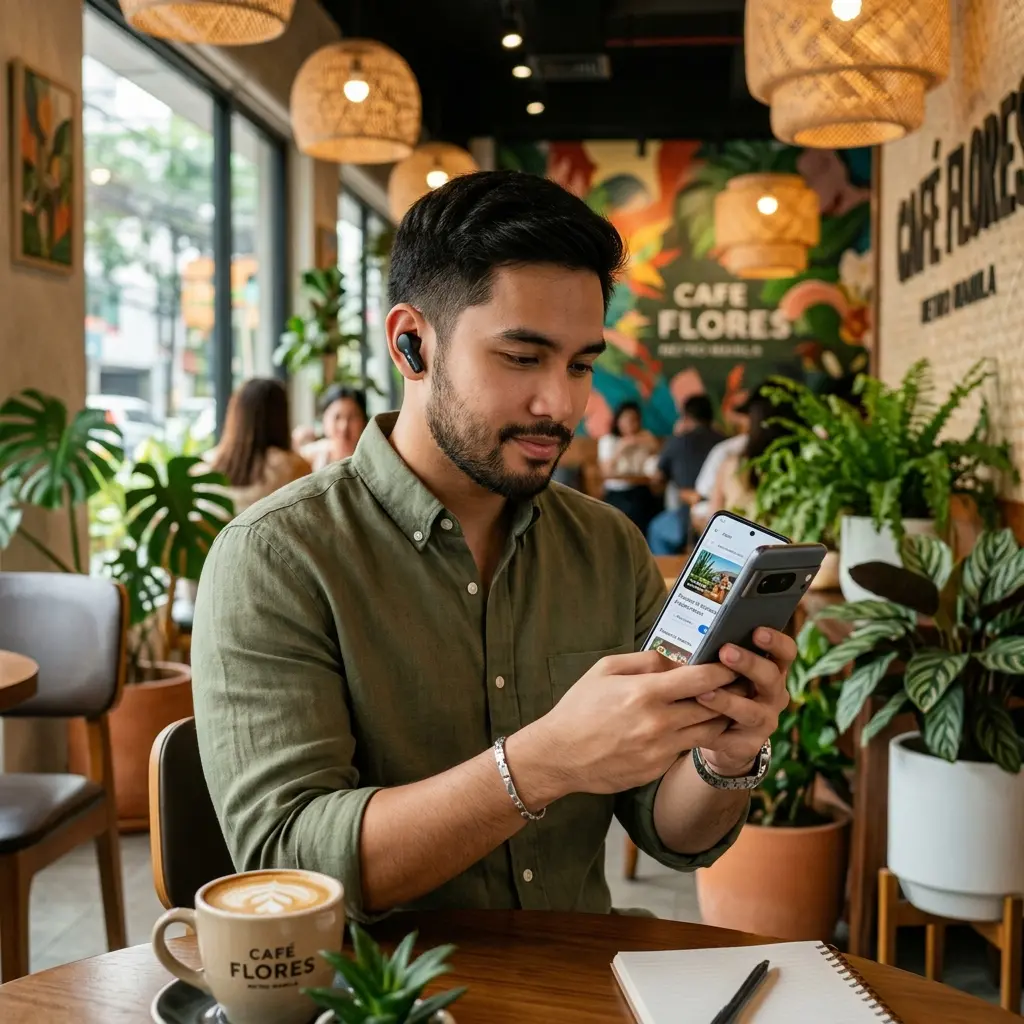
Today, digital streaming platforms, YouTube, and particularly TikTok, allow artists to bypass the traditional gatekeepers and go viral instantly. A catchy 15-second dance challenge on TikTok can launch a relatively unknown P-Pop group into national superstardom in a matter of days.
This digital shift has completely democratized the music industry. It allows independent artists and groups from the provinces to build massive, dedicated fanbases (such as SB19’s A’TIN or BINI’s Blooms) entirely online. These fandoms are highly organized, streaming their idols’ music 24/7, voting in international polls, and trending hashtags on social media, essentially doing the promotional work of a massive record label.
From Radio to the World: The Continued Importance of the Airwaves
However, while digital streaming is booming and social media dictates the trends, traditional radio still plays a crucial, irreplaceable role in the ecosystem of P-Pop.
Going viral on the internet is fantastic for reaching the youth and the highly connected urban populations. But to achieve true, undeniable “masa” (mass) appeal in the Philippines, a song still needs to conquer the radio. When a P-Pop track crosses over from a TikTok trend to being blasted on the FM radio of a jeepney stuck in EDSA traffic, or when it is played on a provincial AM station during a local market day, that is when a song officially becomes a national cultural phenomenon.
The most successful P-Pop groups understand this perfectly. The synergy between aggressive digital social media campaigns and strategic, widespread radio airplay is creating a “golden era” for Filipino music, where OPM is simultaneously reaching millions of new international fans while deeply embedding itself into the daily, analog lives of the Filipino public.
The Cultural Export: P-Pop as Soft Power
Looking toward the future, the ultimate goal of the P-Pop movement is to replicate the massive success of the South Korean “Hallyu” wave. The South Korean government and entertainment industry successfully used K-Pop as a form of “soft power,” exporting their culture, language, fashion, and food to every corner of the globe.
P-Pop is uniquely positioned to do the exact same thing for the Philippines. Because Filipinos naturally speak English at a highly proficient level, P-Pop groups have a massive advantage when doing international interviews and connecting with Western audiences. As these groups continue to top international charts, they are essentially serving as cultural ambassadors. They are exporting the Filipino language, the warmth of the Filipino spirit, and the sheer talent of the Filipino artist to the global stage.
Conclusion: A Bright, Upbeat Future
The future of Original Pilipino Music is incredibly bright, loud, and meticulously choreographed. P-Pop is not here to replace the classic ballads or the legendary rock bands; it is here to expand the definition of what OPM can be. It proves that Filipino music can evolve, adapt, and conquer the modern global entertainment landscape.
Whether you are a die-hard fan memorizing complex dance routines, or a casual listener enjoying a catchy beat on your morning commute, there is no denying the infectious energy of this new era. At Pure Pinoy Radio, we are incredibly proud to witness and support this musical evolution. We will always stream the timeless classics that built our industry, but we are just as excited to blast the record-breaking P-Pop hits that are defining the future. Stay tuned, because the Philippine music revolution has only just begun.