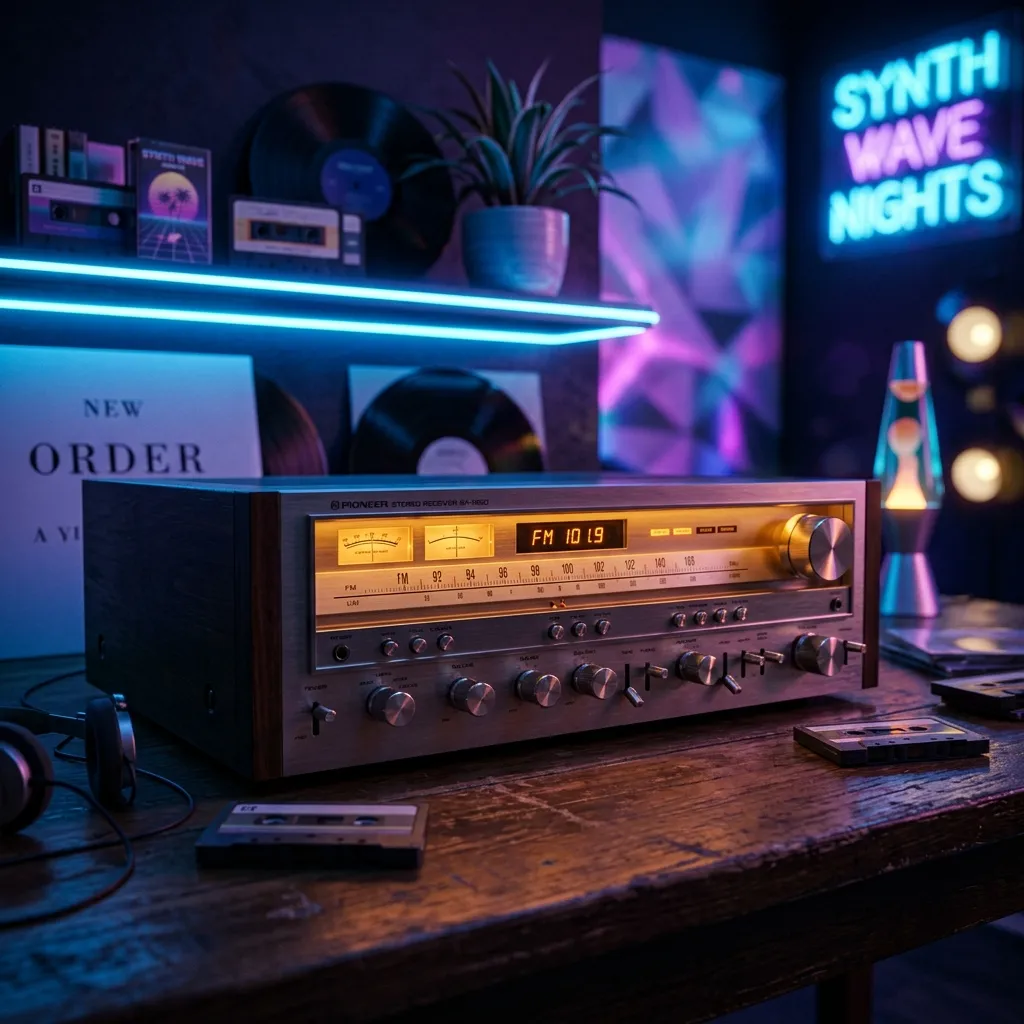
Back in my college days, the radio was not just a piece of electronic equipment; it was a trusted, indispensable friend. I used to listen to the radio religiously while studying, relying on its steady stream of music to serve as my sole companion during those grueling, late-night study sessions.
I remember the physical act of turning the dial, fighting through the static, trying to find that one perfect station that would keep me awake and focused. It was an entirely different era. There was no Spotify to curate a perfect playlist, no YouTube to instantly search for a music video, and no podcasts to download. If you wanted to hear the latest international hit or the newest OPM track, you had to sit next to your boombox, blank cassette tape loaded and finger hovering over the “Record” button, praying the DJ wouldn’t talk over the intro of the song.
The 1980s was arguably the true Golden Era of Philippine FM radio. It was a decade of massive transition, where the crisp, stereo sound of the FM band finally overtook the dominance of the AM dial for musical entertainment. Let’s take a deeply nostalgic trip down memory lane and revisit some of the most popular, legendary radio stations that defined the Manila airwaves in the 1980s.
99.5 RT: The Rhythm of the City
If there was one single station that absolutely defined the concept of “cool” in the 80s, it was 99.5 RT. Known for its highly sophisticated Contemporary Hit Radio (CHR) format, RT was the undisputed pioneer of the fast-paced, high-energy broadcasting style that almost every modern FM station attempts to copy today.
They possessed the slickest, most high-tech sounding station jingles in the country. With its famous “double-play” weekends and impeccably curated playlists, it was the absolute go-to destination for the latest, freshest international pop and dance hits. I vividly remember when my older cousin introduced me to this station; from that exact moment, I was completely hooked.
During my college days, I even won an FM radio from a McDonald’s jingle contest hosted on RT, and I proudly went to their incredibly modern (for the time) studios located at the Rufino Towers in Ayala, Makati to claim my prize. For me, the absolute highlight of their programming was Sunday mornings, tuning in to hear the legendary voice of Casey Kasem count down the American Top 40. While RT was famous for its international flavor, they did occasionally play OPM songs, but they had a very strict standard, carefully selecting tracks that fit their sophisticated, urban aesthetic rather than just playing whatever was popular with the masses.
WLS-FM 97.1: The Giant of the Airwaves
Originally known simply by its callsign WLS-FM 97.1, this station (operated by the GMA Network) was an absolute, undisputed powerhouse. It fully lived up to its moniker, bringing a massive, booming “giant” presence to the airwaves and competing fiercely, tooth and nail, for the top spot in the Metro Manila ratings.
While its later transition into “Campus Radio” in the 1990s would eventually cement its place in the hearts of high school and college students across the metro, its true 80s roots were all about being big, bold, and incredibly loud. During my college days, WLS-FM was heavily responsible for introducing the massive sound of arena pop-rock to the Philippine airwaves. If you wanted to hear the screaming guitars of Aerosmith, the massive stadium choruses of Bon Jovi, or the power ballads of the Damn Yankees, WLS-FM was the station you locked your dial onto. They provided the high-octane soundtrack for a generation of Filipino youth embracing global rock culture.
89.1 DM-FM: The Smooth Alternative for the Yuppie Generation
Before it transformed into the R&B and Jazz-focused “Wave” that we know today, 89.1 DM-FM served as the ultimate auditory sanctuary for those who preferred a much smoother, more sophisticated “Easy Listening” sound.
The 1980s in Manila saw the rise of the “Yuppie” (Young Urban Professional) culture, and DM-FM was their designated soundtrack. It was the absolute perfect backdrop for long, late-night drives down Roxas Boulevard or quiet, lazy Sunday afternoons at home. Offering a highly curated, seamless mix of light rock, adult contemporary, and jazz-inflected pop, DM-FM was synonymous with a very specific, upscale 80s vibe. When you needed a break from the blaring synthesizers of new wave pop or the heavy distortion of rock, DM-FM provided a cool, relaxing audio oasis.
DZRJ-FM 100.3: The Unrelenting Rock of Manila
For the denim-clad, long-haired, fiercely independent rebels of the 80s, there was truly only one station on the dial that mattered: DZRJ-FM 100.3. Widely and proudly known as “The Rock of Manila,” RJ-FM was the undisputed, beating heartbeat of the local and international rock scene.
DZRJ had a profound cultural significance that went far beyond music. It survived the turbulent, incredibly tense political climate of the 1980s (its AM counterpart, Radyo Bandido, famously played a crucial role during the 1986 EDSA People Power Revolution). On the FM side, it remained a steadfast, unrelenting supporter of both international rock legends (Led Zeppelin, Deep Purple, The Rolling Stones) and the burgeoning Pinoy Rock movement. It was the station that championed local legends like Pepe Smith and Juan dela Cruz, providing a vital platform for the counter-culture and the rebellious spirit of the Filipino youth.
Magic 89.9: The New Kid on the Block
In 1986, just as the country was experiencing a massive rebirth following the EDSA Revolution, a brand new player entered the fiercely competitive FM scene: Magic 89.9.
While it started right in the middle of the decade, Magic quickly rose to massive prominence by introducing a fresh, incredibly youthful, and highly polished energy to the dial. They introduced a roster of highly professional, English-speaking DJs and aggressive “Magic” branding that brought an entirely new level of competition to the Manila airwaves. They perfectly captured the optimistic, forward-looking spirit of the late 80s youth. This strategic positioning in the 80s perfectly set the stage for Magic 89.9’s absolute dominance in the 90s and 2000s, where they would eventually pioneer iconic shows like Boys Night Out and the legendary Friday Madness retro segments.
DWRK Easy Rock 96.3: The Birth of the Corporate Soundtrack
As the decade drew to a close, a new format emerged to cater to the growing number of office workers in the metropolis. On October 15, 1988, DWRK made its official debut on the FM airwaves at 96.3 MHz, introducing the Philippines to the iconic “Easy Rock” brand.
Unlike the high-energy pop stations or the aggressive rock stations, Easy Rock specialized in a meticulously curated blend of smooth, easy-listening, and light rock hits. They deliberately instructed their DJs to talk less and play more music, creating a continuous, uninterrupted stream of soothing melodies. This strategic format instantly made Easy Rock the default background music for thousands of corporate offices, dental clinics, and shopping malls across Metro Manila, creating a timeless, relaxing soundscape that remains an absolute staple of the city’s radio culture to this very day.
NU 107 (DWNU 107.5 FM): The Home of New Rock
Finally, we cannot discuss the late 1980s without mentioning the birth of an absolute legend. In 1987, NU 107 (DWNU 107.5 FM) hit the airwaves, proudly claiming the title as “The Home of New Rock.”
Operating from 1987 until its heartbreaking closure in 2010, NU 107 became the primary, indispensable platform for the impending Philippine alternative rock explosion that would fully detonate in the 1990s. While it started in the late 80s playing new wave and underground international rock, it quickly began supporting unsigned, independent local acts. It is best remembered for:
- The NU Rock Awards: A prestigious, highly anticipated annual event that honored the absolute best in the local rock scene, giving legitimate recognition to artists the mainstream ignored.
- Massive Cultural Impact: It was fundamentally instrumental in the meteoric success of iconic 90s bands like the Eraserheads, Rivermaya, and Parokya ni Edgar. If NU 107 played your demo tape, your band had officially “made it.”
- The Emotional Sign-Off: The station tragically went off the air on November 8, 2010, a moment that literally brought thousands of Pinoy rock fans to tears. Today, the 107.5 frequency is occupied by Wish 107.5, but the fierce, independent spirit and the “NU” brand live on through the memories of an entire generation of Filipino rockers.
Conclusion: A Golden Era Never Forgotten
The 1980s radio scene in Manila was vibrant, fiercely competitive, and deeply, intensely personal. Each station had a distinct, carefully crafted personality; when you tuned in, it felt exactly like inviting a good friend into your room.
While modern technology has completely changed how we consume music, the warm memories of those iconic station jingles, the thrill of successfully recording a mixtape off the radio, and the charismatic DJs who shared our days remain a deeply cherished part of Pinoy pop culture. At Pure Pinoy Radio, we are proud to keep the spirit of these legendary broadcasts alive, streaming the classic hits and the modern successors so that the golden era of Philippine radio is never truly forgotten.