If you grew up in the Philippines before the turn of the millennium, you intimately know the physical struggle of trying to get a clear radio signal. You probably remember meticulously adjusting the long metal antenna of a bulky boombox, moving the entire radio to a specific corner of the living room, or even tying a piece of copper wire to the window grill just to capture the faint broadcast of your favorite FM station.
For decades, the sound of Philippine radio was strictly bound and aggressively limited by the physical reach of a broadcast tower. If you traveled out of Metro Manila and headed north toward the mountains of Baguio or south toward the provinces of Laguna, the booming voice of the city DJ would slowly, inevitably fade into a wall of white noise and static. You were physically tethered to your geographic location.
Today, however, that boundary has completely and utterly dissolved. We are living through a massive, unprecedented technological revolution in local media. The transformation of Philippine radio from a strictly analog medium restricted by geography into a borderless, digital powerhouse is one of the most exciting shifts in modern broadcasting. Let us dive deep into how traditional Filipino radio stations have evolved for the digital age, the technology behind the shift, and what it means for listeners both at home and abroad.
The Analog Era and the Tyranny of Topography
To fully appreciate the marvel of digital radio, we must first understand the intense limitations of traditional analog broadcasting, particularly in a country like the Philippines. The Philippine archipelago is composed of over 7,000 islands, heavily divided by massive mountain ranges, dense tropical forests, and vast expanses of open ocean.
Traditional FM (Frequency Modulation) radio signals rely heavily on “line-of-sight” transmission. This means that if a large physical object—like the Sierra Madre mountain range or a cluster of towering skyscrapers in BGC—stands between the radio transmitter and your car antenna, the signal is blocked, resulting in immediate static. AM (Amplitude Modulation) signals can travel much further by bouncing off the atmosphere, but they are highly susceptible to electrical interference. A thunderstorm, a passing motorcycle, or even a nearby fluorescent lightbulb can introduce loud, popping static into an AM broadcast.
For decades, the major broadcasting networks accepted these physical limitations. They built expensive relay towers in major provincial cities to repeat the Manila broadcasts, but there were still massive “dead zones” across the country where millions of Filipinos simply could not access high-quality audio entertainment or reliable national news.
The Digital Pivot: Breaking Down the Broadcast Towers
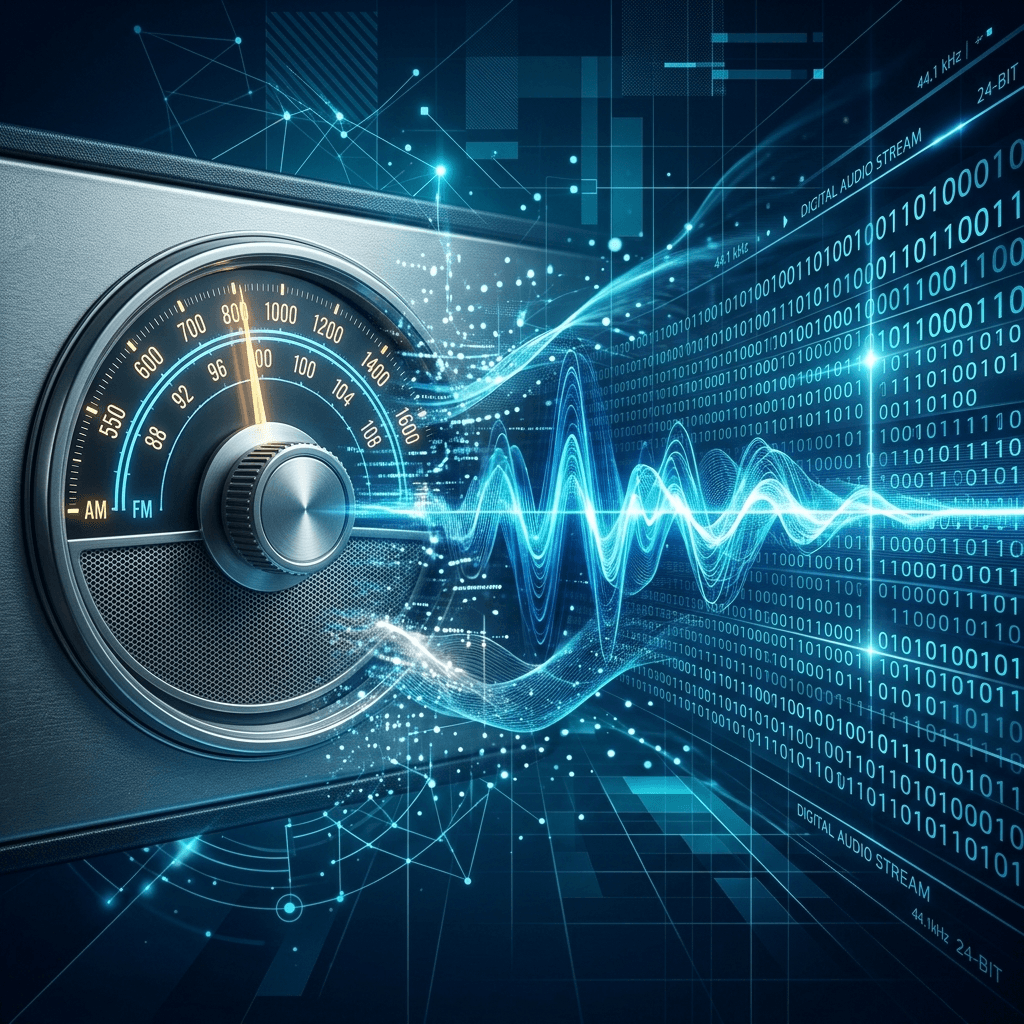
The arrival of widespread, high-speed internet in the late 2000s and 2010s completely upended the traditional broadcasting model. Suddenly, audio did not need to be beamed through the air via vulnerable radio waves; it could be encoded into data packets and transmitted through fiber optic cables and cellular networks.
Realizing the massive potential of this new technology, the major Philippine broadcasting networks—such as the Manila Broadcasting Company (MBC), ABS-CBN, GMA Network, and the Bombo Radyo network—began pouring massive resources into digital streaming infrastructure. They began simultaneously broadcasting their live shows over the traditional FM/AM airwaves and through dedicated internet streaming servers.
This shift required a massive technological overhaul. Radio stations had to upgrade their analog mixing consoles to digital audio workstations. They had to invest in high-quality audio encoders that could compress the audio using advanced formats like AAC+ (Advanced Audio Coding), ensuring that the audio sounded incredibly crisp and crystal clear even for listeners with slow or unstable internet connections.
The result of this digital pivot was nothing short of miraculous. A listener physically sitting in a coffee shop in Madrid, Spain, could now hear the exact same broadcast, with the exact same pristine audio quality, as a listener sitting in a taxi stuck in EDSA traffic. The broadcast tower was no longer the limit; the internet was.
The “Teleradyo” Phenomenon: Seeing the Voices
The digital transformation of Philippine radio did not just change how we hear the broadcast; it fundamentally changed how we see it. As internet speeds increased, stations realized they could stream more than just audio data. They began installing high-definition cameras inside their radio booths.
This gave birth to the “Teleradyo” (Television Radio) phenomenon. Today, almost every major news and entertainment radio program in the Philippines simultaneously live-streams a video feed of their booth directly to platforms like Facebook Live and YouTube.
This visual element completely changed the dynamic between the broadcaster and the audience. Listeners were no longer just imagining the faces behind the voices; they could watch their favorite DJs react, dance to the music, and conduct passionate, face-to-face interviews with politicians and celebrities. It transformed the isolated, purely auditory experience of radio into a highly engaging, interactive, and multi-sensory multimedia experience. Listeners can now leave real-time comments on the live stream, allowing the DJ to read and react to audience feedback instantly on air.
Why Digital Matters Profoundly for the Diaspora
While the digital shift has certainly improved the listening experience for locals in the Philippines, its most profound and emotional impact has been felt by the global Filipino diaspora. For the millions of Overseas Filipino Workers (OFWs) scattered across the Middle East, North America, Europe, and Asia, digital radio is significantly more than just a technological convenience; it is a vital, emotional portal back home.
When you are working a grueling 12-hour shift in a foreign country, completely surrounded by a different language and culture, the isolation and homesickness can be absolutely crushing. While modern digital music platforms like Spotify and Apple Music are fantastic for listening to perfectly curated playlists, they are inherently sterile and lonely. They lack human connection.
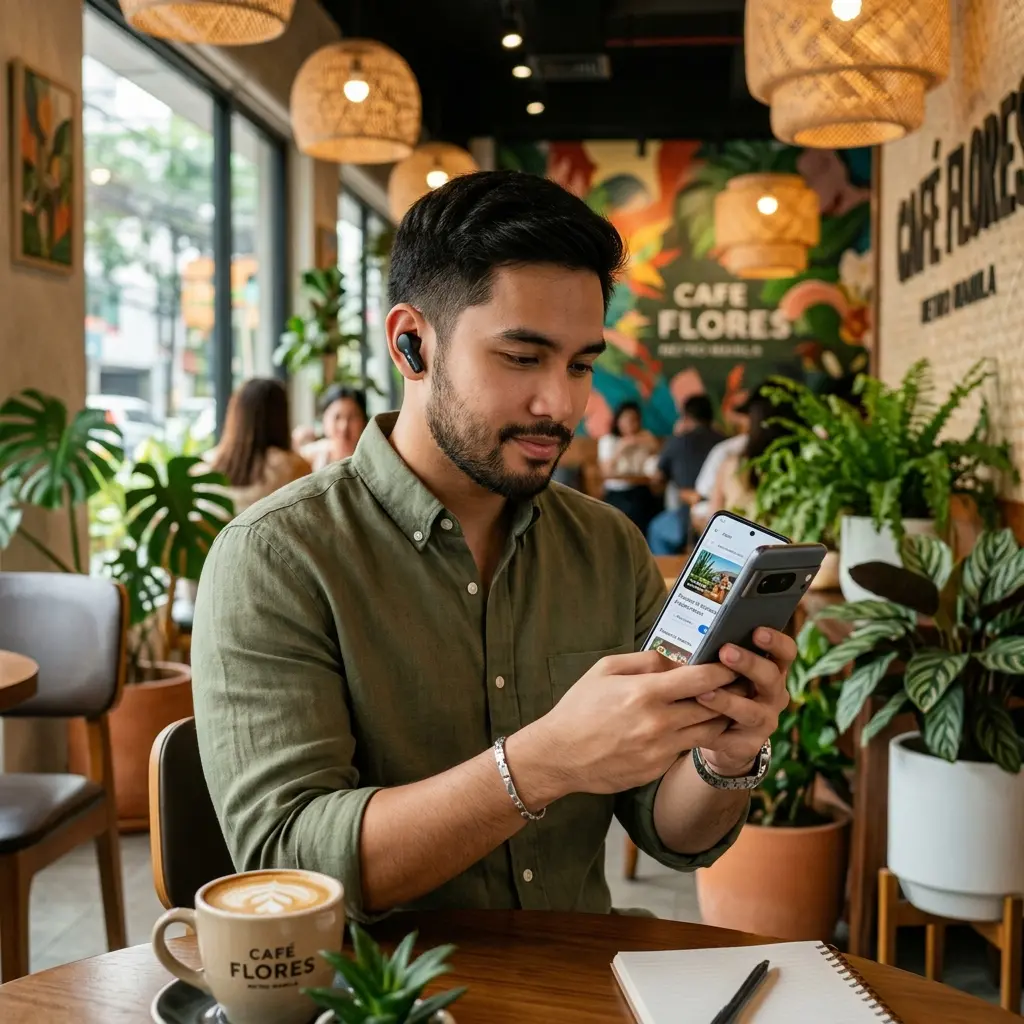
Digital radio solves this problem perfectly. When an OFW in Dubai tunes into a live internet stream of an FM station in Manila, they are tapping into the live, beating pulse of their homeland. Hearing a local DJ crack a highly specific, culturally relevant joke in Tagalog, listening to the chaotic traffic reports about C5 and Commonwealth Avenue, and hearing the live time checks provides a profound, immediate sense of comfort. It creates a powerful psychological illusion of proximity, reminding the OFW that no matter how far away they physically are, they are still deeply connected to the daily rhythm and the vibrant culture of the Philippines.
The Democratization of the Airwaves: The Rise of Online-Only Stations
The digital transformation has also fundamentally democratized the radio industry. In the analog era, starting a radio station required millions of pesos to purchase a broadcast transmitter, secure a highly regulated government franchise frequency, and build a massive physical tower.
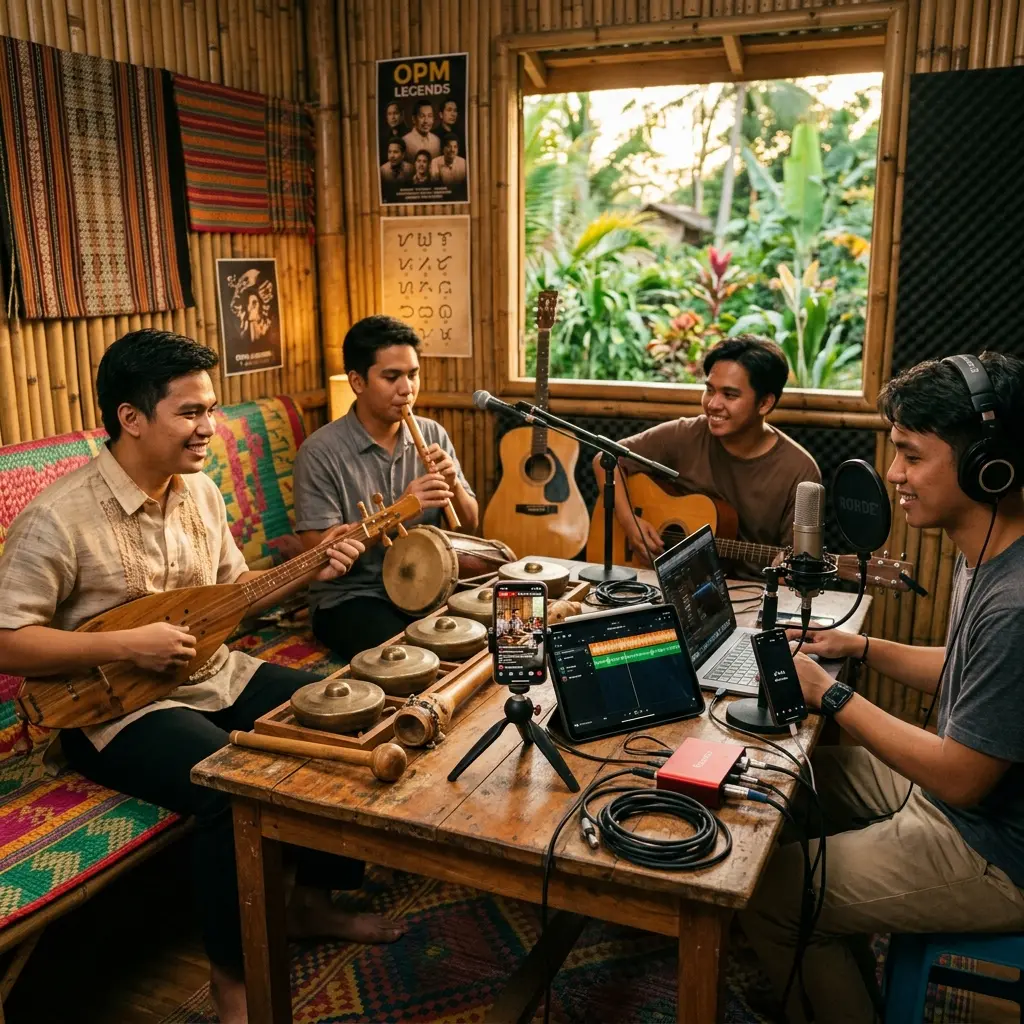
Today, absolutely anyone with a laptop, a decent microphone, and a stable internet connection can start a global digital radio station. This has led to an incredible explosion of niche, “online-only” radio stations catering to very specific Filipino subcultures that traditional networks often ignore. You can now find digital stations dedicated entirely to underground Filipino indie rock, stations that exclusively play Visayan pop music 24/7, and community-run stations dedicated to specific university campuses or religious organizations. The digital era has ensured that no matter how niche your taste is, there is a Filipino radio stream broadcasting it to the world.
The Hybrid Future and Pure Pinoy Radio
We are now officially entering the era of “Hybrid Radio.” Traditional FM/AM broadcasts are not dying; they are simply evolving to coexist seamlessly with internet streams. Modern car infotainment systems now feature dashboards that seamlessly blend traditional FM tuners with internet radio apps. If your car loses the FM signal while driving through a tunnel, the smart radio will automatically and invisibly switch over to the digital internet stream of that exact same station, ensuring that your listening experience is completely uninterrupted.
At Pure Pinoy Radio, we are incredibly proud to be at the absolute forefront of this digital revolution. We have built our entire platform around the understanding that the future of radio is borderless. We aggregate and curate these diverse, high-quality digital streams from across the Philippine archipelago—from the biggest networks in Metro Manila to the smallest community stations in Mindanao—and present them in a single, unified, and incredibly easy-to-use digital interface.
We handle the complex technology, the stream stability, and the high-fidelity audio decoding so that you do not have to. The future of Philippine radio is no longer just about pushing out better sound; it is about building a better, stronger, and more resilient connection between the Filipino people, no matter where they are on the planet. Tune in, embrace the digital wave, and experience the crystal-clear future of broadcasting today.